Author: Geoff Ebbs

  • Rapid sea-level rise passes peer review

    Rapid sea-level rise passes peer review

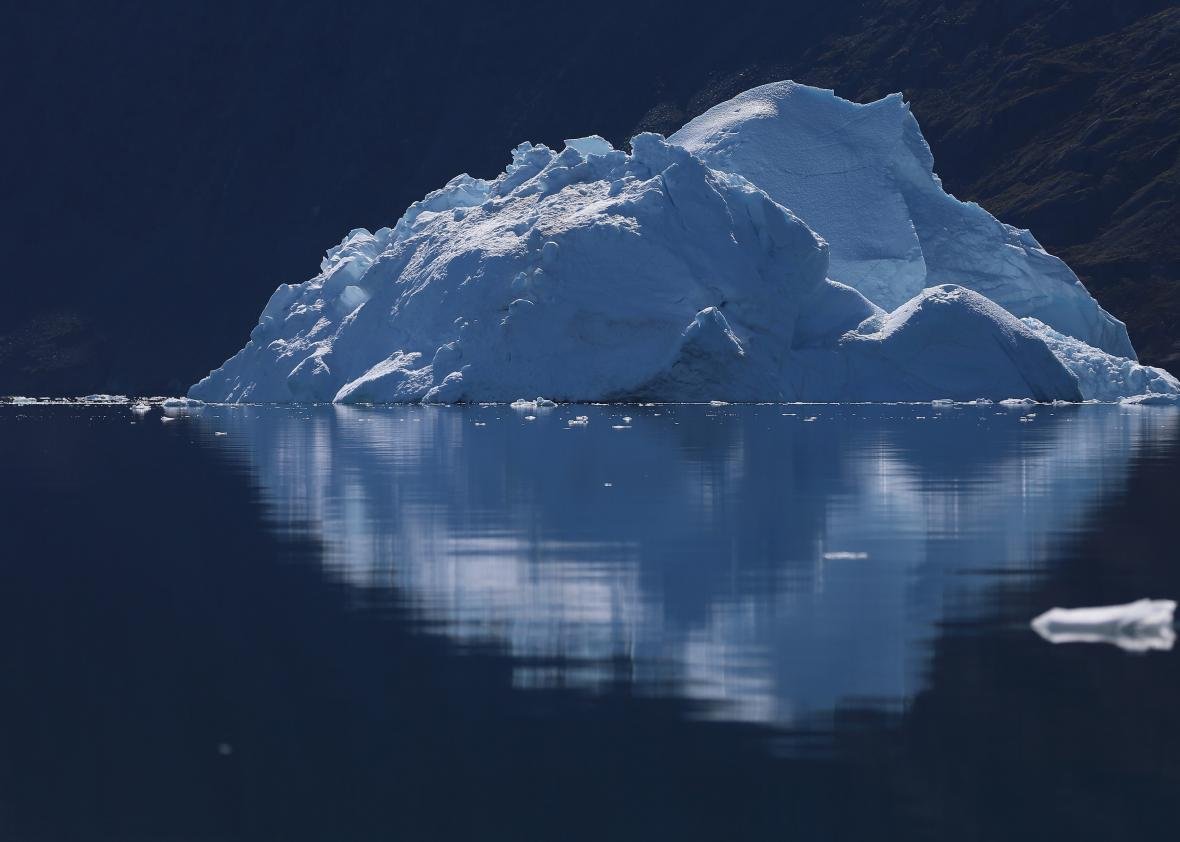
    Large iceberg in the dark
    Icerbergs are breaking from Greenland’s glaciers at an alarming rate

    Sea levels will rise at least two metres and as much as six metres by the end of the century, scientists confirmed today.

    Climate science pioneer, James Hansen, flagged the results nine months ago breaking scientific convention by publishing the results prior to a rigorous review by his peers. As a result the results have been scrutinized more thoroughly than ever, and have now been formally published in Atmospheric Chemistry and Physics.

    http://www.slate.com/blogs/the_slatest/2016/03/22/james_hansen_sea_level_rise_climate_warning_passes_peer_review.html


  • Colombia edges toward peace deal

    Colombia edges toward peace deal

    Drug lords and government forces in Colombia have been negotiating for over four years to find agreeable terms to settle the South American nation’s fifty year long civil war.

    The negotiations, held in Cuba between government and left-wing rebels, have settled on six key areas including land ownership, democratic rights and amnesty for left wing fighters.

    Colombians watch the signing
    Colombians watch in anticipation of the peace deal

    Some of the drug cartels, left out of the negotiations, have threatened to disrupt the peace process and grab as much land and power as possible as the military presence is wound down.

    http://www.telesurtv.net/english/news/Challenges-Lie-Ahead-as-Colombia-Celebrates-Historic-Peace-Deal-20160825-0011.html

    https://foreignpolicy.com/2016/08/25/colombias-war-just-ended-a-new-wave-of-violence-is-beginning/

  • War on cash picks up speed in Sweden

    War on cash picks up speed in Sweden

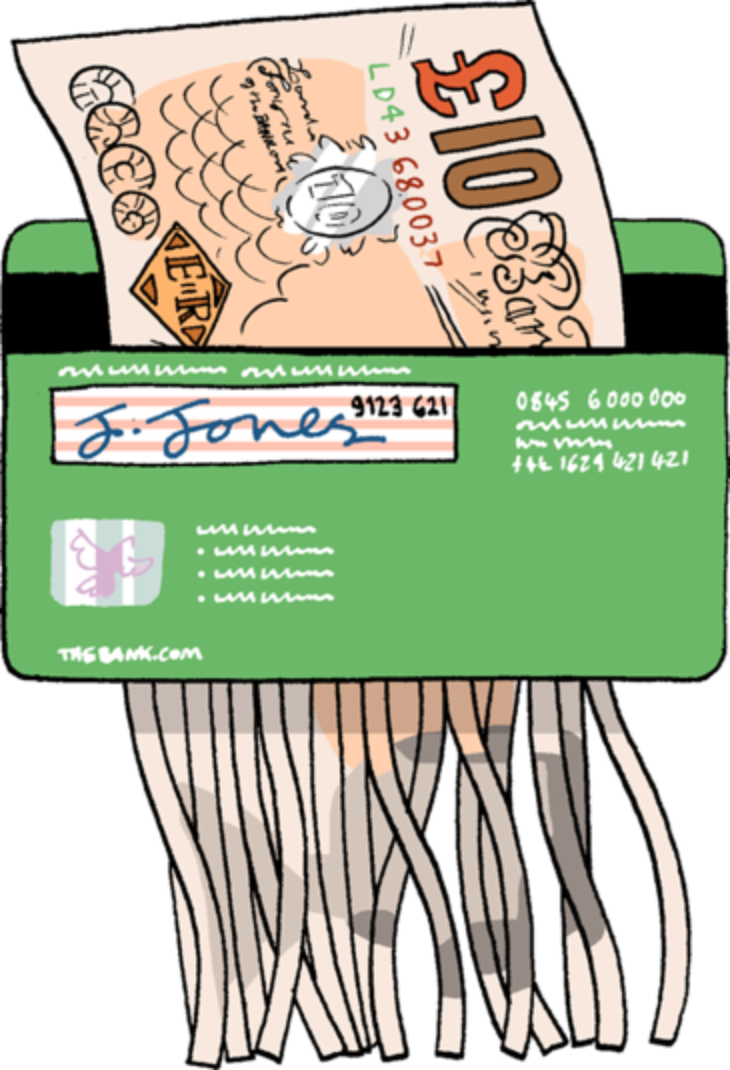
    War on Cash shredder
    Countercurrent graphic for the war on cash

    Many Swedish retailers stopped accepting cash this month as the next step in the nation’s move to become a cashless society.

    Writing in CounterCurrents this week, Brett Scott reports that European nations are backing the banks in a call to accelerate the elimination of cash. Scott quotes various politicians and bank executives as evidence that the move is designed to ensure that negative interest rates can be effectively implement to discourage people from saving.

    The global economy as we know it depends on constant economic growth to justify the debt that fuels the profits of the financial sector. As economic times become tough people tend to save rather than spend, thereby reducing financial profits and slowing the economy

    http://www.cbsnews.com/news/stores-to-customers-cash-not-welcome-here/

    http://www.countercurrents.org/2016/08/24/the-war-on-cash/

  • Rubbish bag homes underwhelm Aid agencies

    Rubbish bag homes underwhelm Aid agencies

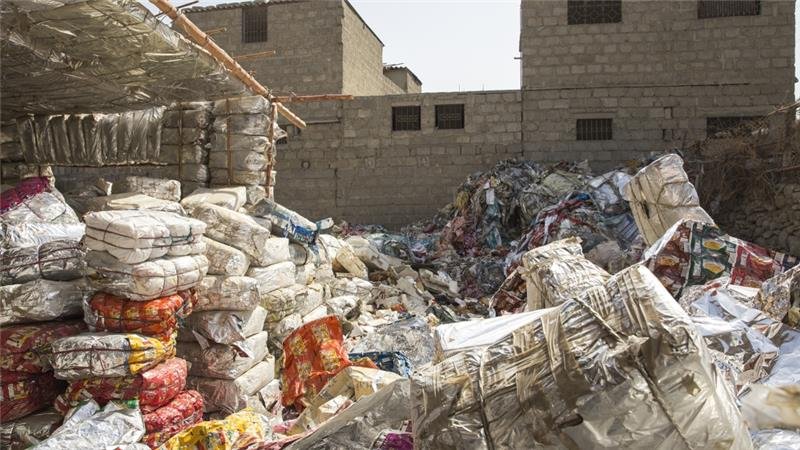
    The Gul Bahao project in Karachi
    Faras Ghani has been collecting plastic waste for 22 years.

    After twenty years of converting plastic waste into low-cost shelters, Pakistani activist Nargis Latif has sought international support for her project, Gul Bahao.

    The project aims to create comfortable, safe spaces in the earthquake prone slums of Karachi, by using bundles of plastic waste as a building material. The result is a loose brick that can be tied or taped together to create a soft shelter supported by wooden posts and beams.

    While the homes have been useful in sheltering earthquake victims, they have failed to take off as affordable accommodation. In twenty years, Gul Bahao has built fifty homes.

    http://www.aljazeera.com/indepth/features/2016/06/woman-turning-rubbish-homes-pakistan-160629181246015.html

  • Volume of sewage surpasses world’s rivers

    Volume of sewage surpasses world’s rivers

    US Mayors drink treated sewage
    San Jose Mayor Sam Liccardo and officials drink purified wastewater April 27, 2015

    Humanity now produces two million tonnes of sewage every day, more than our own body weight, Canadian environmentalist, Maude Barlow, wrote this week. On an annual basis it is also more water than exists in all the rivers in the world, meaning that they are overloaded with our waste.

    An equally dramatic statistic is that we pump 1,600 million megalitres of ground water into the sea each year. Half of this is used in mining and one third of all water usage goes to the production of bio-fuels.

    This increase has not been gradual, the last twenty years have seen a huge acceleration in the consumption of water and the effects are now starting to be felt. Cities that rely on ground water are planning to drink treated sewage as the aquifers on which they have depended dry up.

    http://www.countercurrents.org/2016/08/24/water-as-a-commons-only-fundamental-change-can-save-us

    http://www.mercurynews.com/drought/ci_27999661/california-drought-san-jose-mayor-drinks-recycled-sewage

  • Biointensive farming shrinks agricultural footprint

    Biointensive farming shrinks agricultural footprint

    Photo from Ensia.com
    Jean Apedoh, an intern from Togo, is testing strategies for growing rice with minimal water at Common Ground mini-farm. Photo by Cynthia Raiser Jeavons/Ecology Action

    Sustainability publication Ensia, this week published an account of bio-intensive farming projects that create more food per aquare metre with less energy, water and nutrients. Whereas corporate, industrialised agriculture is focused on profit and consequently minimizes labour, bio-intensive farming focuses on the minimization of external resources. As a result it is ideal for urban farming and community projects where capital and external resources are in short supply.

    http://ensia.com/features/how-three-u-s-mini-farms-are-sowing-the-seeds-of-global-food-security/