The atmosphere is to the earth as a layer of varnish is to a desktop globe. It is thin, fragile and essential for preserving the items on the surface.150 years of burning fossil fuel have overloaded the atmosphere to the point where the earth is ill. It now has a fever. Read the detailed article, Soothing Gaia’s Fever for an evocative account of that analogy. The items listed here detail progress on coordinating 6.5 billion people in the most critical project undertaken by humanity.Â
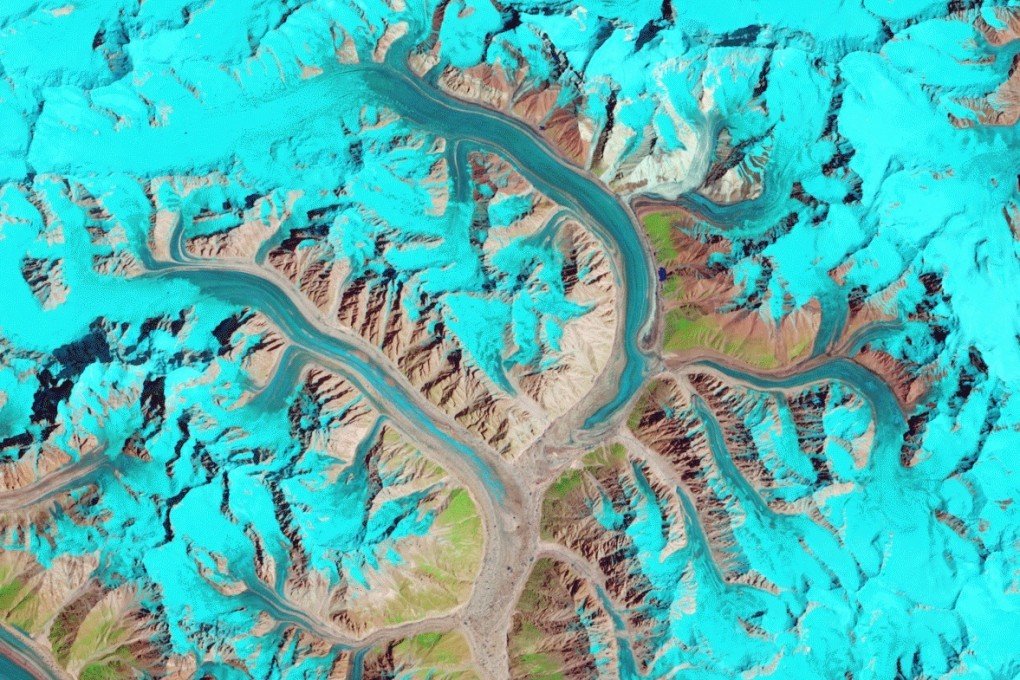
Glaciers in Central Asia are melting fast as temperatures rise at double the speed to those at sea level.
The rapid melting of glaciers in the so-called Third Pole located in the Himalayas and Central Asian mountains threatens the long term survival of billions of people across Central and Southern Asia.
The melting is due to a 1.5 degree increase in surface temperature and will increase flows in the Mekong, Yellow, Yangtse, Ganges and Indus rivers over the next decade after which it will begin to slow again. The area is known as the Third Pole because it contains as much frozen water as the North and South pole.
Glaciers on the Western side of the mountains appear to be unaffected to due increased precipitation being blown East from Europe.
Local herdsmen in Western China are already being re-located as climate refugees due to the changes in the landsape caused by the increased volume of water, warmer weather and lack of snowfall.
Crisis at the Third Pole
At the top of the world a climate disaster is unfolding that will impact the lives of more than 1 billion people. The real worry is the melt will set off a chain of climate disasters like the recent epic floods in Pakistan and China, or unprecedented heatwaves in India, or increasing desertification across the region. And the deeper concern is that while scientists know the changes in the Third Pole will affect global weather patterns such as monsoons and the El Nino, they don’t know by how much. And in a region where tension between countries over shared water resources is becoming increasingly common, the environmental threat is likely to spark a political one.
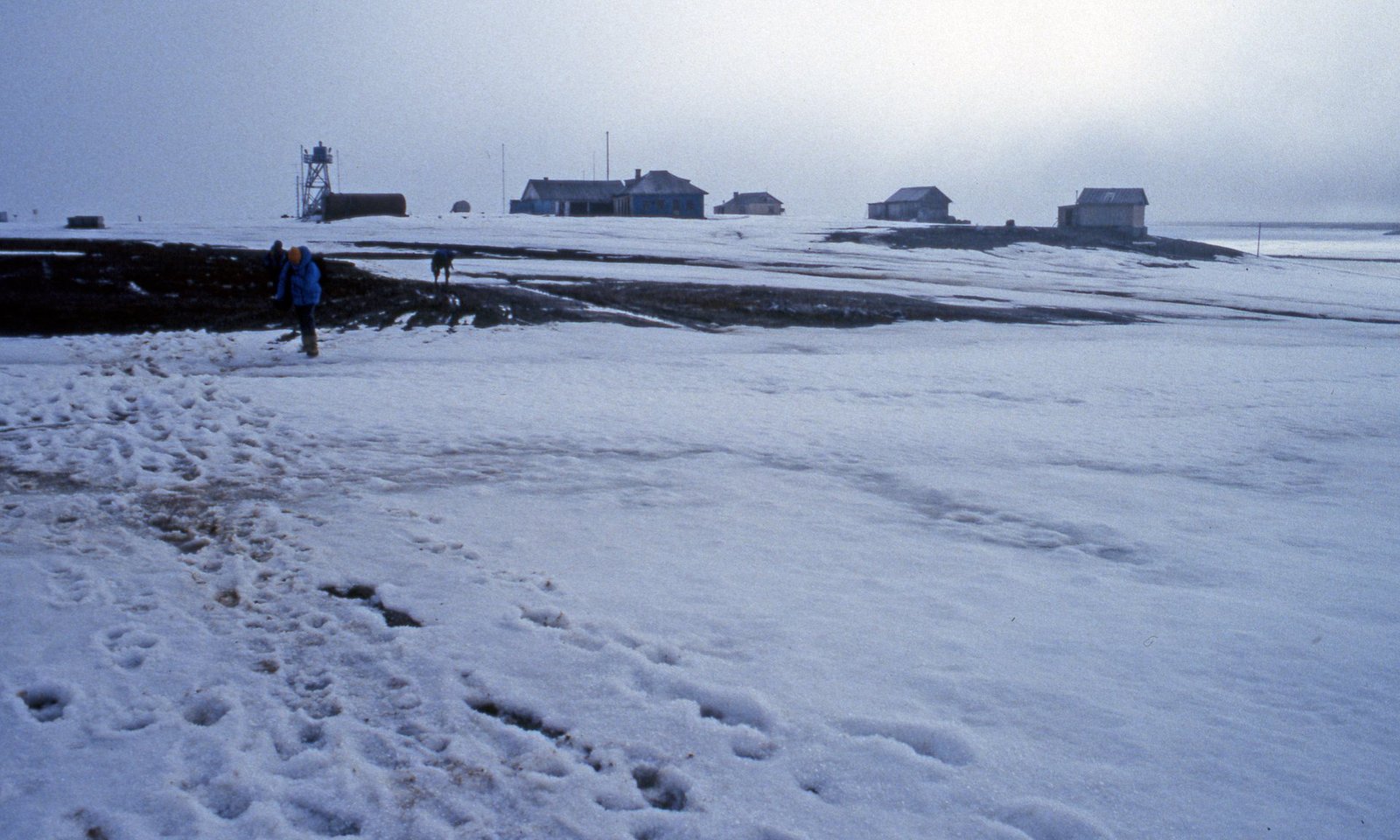
The Russian Arctic base at Troynoy is host to starving bears missing the summer ice.
The acceleration of global warming continues with this August and July tying for the label of hottest month on record. Almost every month for the last two years has been the hottest of its season, but this year the gap is widening. 2016 is about three tenths of a degree Celsius warmer than 2015. Among the more unusual impacts of the resultant climate chaos was the besieging of five Russian scientists by ten polar bears at the Arctic observatory of Troynoy.
August ties with July as hottest month on record
Compared to the average from 1881-1910 the global temperature for the year was 1.31˚C (2.36˚F) above the average.
Ship delivered dogs and flares to staff at Arctic weather station after five scientists were encircled by 10 adult bears for two weeks. A female bear had taken to spending nights beneath the station’s windows.
Detailed measurements of ocean temperatures this week reveal that the world’s oceans have absorbed over 90% of the additional heat trapped within the Earth’s atmosphere as the result of additional carbon dioxide.
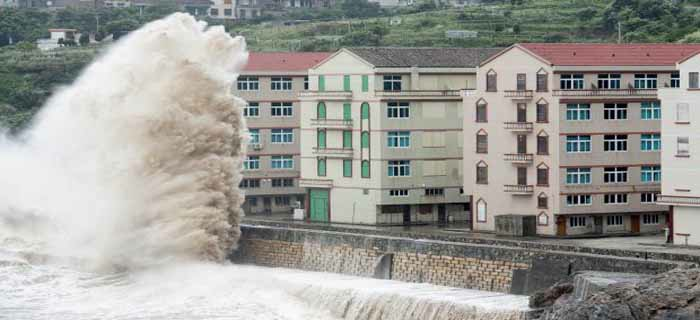
As a result, ecosystems are shrinking away from the equator, disease is spreading among fish populations, wild storms are on the increase resulting in mega typhoons and hurricanes such as the one that flooded the Southern USA six weeks ago.
A little known side effect of this incredible warming event is the marked increase in hydrogen sulphide in the ocean. Used as a chemical weapon in World War I, hydrogen sulphide was characteristic of the primordial ocean before plant life evolved and oxygen became common place. The gas is highly toxic to most living things.
Soaring ocean temperature is ‘greatest hidden challenge of our generation’
A ‘truly staggering’ rate of warming is changing the behaviour of marine species, reducing fishing zones and spreading disease. The ocean has absorbed more than 90% of the extra heat created by human activity. If the same amount of heat that has been buried in the upper 2km of the ocean had gone into the atmosphere, the surface of the Earth would have warmed by a devastating 36C, rather than 1C, over the past century.
The oceans are heating up. That’s a big problem on a blue planet
The extra heat that our greenhouse gases trap is actually absorbed by the oceans. That means that the upper few meters of the sea have been steadily warming more than a tenth of a degree celsius per decade, a figure that’s accelerating. When you think of the volume of water that represents, and then try to imagine the energy necessary to raise its temperature, you get an idea of the blowtorch that our civilization has become.
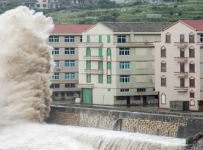
Super typhoons becoming more powerful and more frequent
Those hitting south-east Asia with a category 4 or 5 strength have more than doubled in number, with the increase even more for China and Taiwan and regions north. The increase in sea-surface temperature is key to providing extra energy to tropical storms, with the outcome for the megacities of the region looking grimmer. “With global warming of the oceans and atmosphere, we can expect tropical cyclones to increase in frequency and intensity in all the basins,”
Climate Change Has Doubled the Number of Category 4 and 5 Storms
The destructive power of typhoons in East and Southeast Asia has increased by nearly 50 percent since 1977. Meanwhile, the number of category 4 and 5 storms striking land has doubled. Standing alone, any one of these findings would be significant. Taken together, they paint a picture of significantly rising risk of storm damage and related loss of life due to climate change in one of the world’s most highly populated regions.
Beetles following a warming climate have infested Californian forests killing 66 nillion trees
Global efforts at reforestation are accelerating, gollowing commitments made in the Paris Agreement of November last year.
Volunteers in India smashed a world record by planting 49.3 million tree saplings on July 11. Last year, volunteers in Ecuador planted 647,250 trees from 200 species in one day. In 2014, Men of the Trees planted 100,450 trees in Perth, Australia in a single hour.
Richard Houghton, a senior scientist with the Woods Hole Research Center in the US, though, warns that the impacts may not be as effective as predicted.
“In general, [reforestation] is all good in the sense that trees, as they grow, take carbon out of the atmosphere,” he said. Complications occur when forests shade the snow, absorbing sunlight and adding to warming, or when reforestation is used as a carbon offset for extracting fossil fuels or cutting down old forests.
Climate chaos itself threatens forests with increasing fire damage and attacks by exotic insects moving into forests as the climate warms.
Pope Francis is unpopular with the institutional hierarchy
Pope Francis this week named pollution as ‘sinful’ and fighting Climate Change a ‘sacred duty’.
He called urgently for people to actively work to save the environment, proposing that the Catholic Church add such a duty to the list of “seven mercies,” which includes feeding the hungry and visiting the sick, which Catholics are required to perform.
“Humans are turning the planet into a polluted wasteland full of debris, desolation and filth,” the Pontiff said. Building on Laudato Si his Encyclical last year, he added that “The world’s poor, though least responsible for climate change, are most vulnerable and already suffering its impact.”
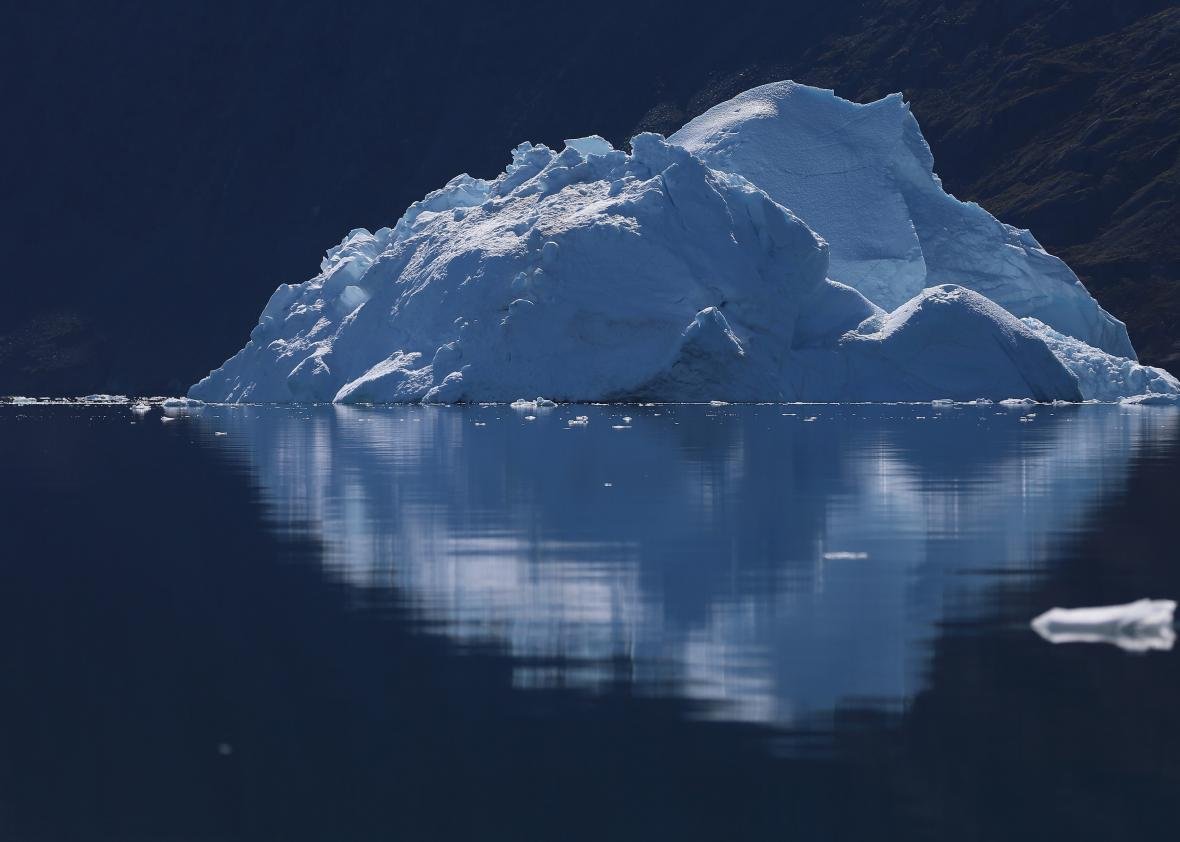
Icerbergs are breaking from Greenland’s glaciers at an alarming rate
Sea levels will rise at least two metres and as much as six metres by the end of the century, scientists confirmed today.
Climate science pioneer, James Hansen, flagged the results nine months ago breaking scientific convention by publishing the results prior to a rigorous review by his peers. As a result the results have been scrutinized more thoroughly than ever, and have now been formally published in Atmospheric Chemistry and Physics.