Category: Climate chaos

The atmosphere is to the earth as a layer of varnish is to a desktop globe. It is thin, fragile and essential for preserving the items on the surface.150 years of burning fossil fuel have overloaded the atmosphere to the point where the earth is ill. It now has a fever. Read the detailed article, Soothing Gaia’s Fever for an evocative account of that analogy. The items listed here detail progress on coordinating 6.5 billion people in the most critical project undertaken by humanity. 

  • Old white man praises women

    Old white man praises women

    Hawkenn promotes Drawdown
    Hawken says men should stand back and let women run the show

    Touring Australia to promote his project and book Drawdown, Paul Hawken told audiences in Brisbane on Thursday and Byron Bay on Friday that overwhelmingly, women are the solution to climate change.

    Hawken edited the 100 solutions presented in the book. Each solution selected for publication was modelled by the team of scientists that form the organisation Drawdown. Two of the top ten solutions specifically deal with the role of women. Solution #6 is the education of girls and solution #7 is family planning. Hawken described these solutions as pathways to the same outcome, which is empowerment of women, leading to a reduction in population growth which is one of two major factors driving environmental damage. Per capita consumption multiplied by the world population is the sum of total resource consumption on the planet. As well as impacting population levels, the empowerment of women leads directly to preferential investment in less aggressive and wasteful approaches to production and commerce, Hawken said.

    A separate solution is to supporting women running small scale farms. That has a significant effect on the production of carbon. “Women running small farms produce more food than corporate agriculture,” Hawken told enthusiastic audiences, “that means that we do not have to accept the lie that we need big agriculture to feed the billions of people living in mega cities.”

    He challenged the notion that corporate agriculture is feeding society. “Think about what they produce,” he said, “Corn, soy, sugar, highly refined grains and foodstuffs that cause obesity, diabetes, heart attacks. They are not feeding society, they are funding big pharma.”

    He also pointed out that the military is one of the biggest contributors to environmental and societal harm, destroying landscapes, agriculture and societies on an enormous scale. He said that while he suspects world peace is probably the number one solution to reducing climate chaos, it has been left out of the book because there is no data available to model the impact of reversing it.

    While the tour is largely complete, there are plenty of opportunities online to see Hawkens expounding the value of the book.
  • Wealth buys silence

    Wealth buys silence

    Politicians for sale in the US
    US politiicans have been paid $100million to deny climate science.

    The figures are in.

    38 climate denying senators have received three quarters of a million dollars each from fossil fuel interests with the price of a member of Congress denying the science being about one third that.

    In total fossil, fuel interests have directly spent over 97 million dollars paying the currently sitting US Senators and Representatives to represent their interests. deny the climate science and question the role of fossil fuels in generating climate chaos. Fossil fuel companies also donate to senators and representatives promoting evidence based policies at one quarter the rate. On average a senator who supports science has received $180,000 dollars in donations from fossil fuel companies compared to the $732,000 received, on average, by the 38 deniers.

    Like Australia, the US stands in stark contrast to European nations where climate chaos is an accepted fact and industry and government are working together to redue emissions and amerloriate the inevitable affects of the future chaos and underlying warming already built into the system.

    https://thinkprogress.org/the-anti-science-climate-denier-caucus-114th-congress-edition-c76c3f8bfedd/#.231g4hemd


  • Climate chaos costs US a staggering $306 billion

    Climate chaos costs US a staggering $306 billion

    Climate disasters damage US economy
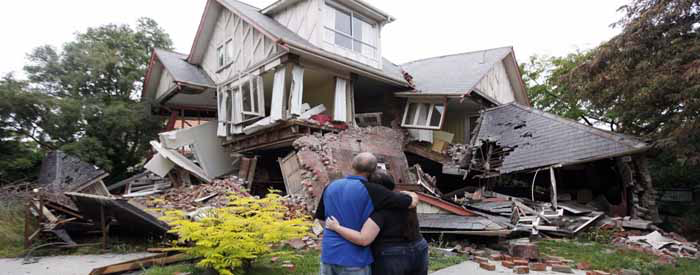
    Climate chaos is affecting ordinary people directly and through economic drain

    In 2017 alone, sixteen $1 billion-plus weather- and climate-related events killed some 362 people in the US and cost the national economy  $306 billion. This is a record for natual disasters and appears to be the shape of things to come. This represents 1.6% of the total US economy at a time when the economy is finely balanced between growth and recession.

    The vast bulk of this damage was caused by hurricanes, with Hurricane Harvey alone costing the nation $125 billion. By comparison, wildfires only cost $18billion dollars.

    2005 was previously the most expensive year with Hurricanes Katrina, Wilma and Rita racking up a total of $215 billion.

    http://www.huffingtonpost.com.au/entry/2017-natural-disasters_us_5a53b1aeeThis 4b01e1a4b183b9d

    https://www.google.com.au/search?q=GDP+of+USA


  • UK reels from climate induced food rationing

    UK reels from climate induced food rationing

    Empty UK supermarket shelves
    Empty UK supermarket shelves have business and policy makers worried

    Fresh vegetables were rationed across the UK this month due to climate chaos in Southern Europe. Lettuces, zucchinis and broccoli were rationed and prices rose to four times their normal level. The shortage was exacerbated by uncertain trading arrangements due to Brexit. UK supermarkets have embarked on a program of culling fruit and vegetables that are increasingly difficult to grow in areas with ongoing water shortages. The events have revealed the multiple challenges to global trade from water shortages, climate chaos and protectionism reinforcing the need to support local produce. Australia is extremely vulnerable to such events. The nation has been a net importer of fresh fruit and vegetables since 2003, a fact masked by our large grain and meat exports.

    Will we still be able to feed ourselves as the climate get hotter? Australia is a net importer of fresh food – The supermarket food gamble may be finished 

    In the past 40 years, a whole supermarket system has been built on the seductive illusion of Permanent Global Summer Time. A cornucopia of perpetual harvest is one of the key selling points that big stores have over rival retailers. But when you take into account climate change, the shortages in the UK look more like a taste of things to come than just a blip.

    https://www.theguardian.com/commentisfree/2017/feb/20/supermarket-food-gamble-brexit-climate-migrant

    http://www.independent.co.uk/life-style/food-and-drink/courgette-shortage-uk-vegetable-shortage-cold-weather-ispain-italy-europe-continent-a7533236.html

    http://www.telegraph.co.uk/business/2017/02/03/causing-2017-vegetable-shortage-does-mean-consumers/

    Strange fruit

    The rapid rise of the farmers’ markets, home-delivery vegetable boxes and the resurgence of farm shops.

    https://www.theguardian.com/lifeandstyle/2002/sep/07/foodanddrink.shopping

    http://www.smh.com.au//breaking-news-national/australia-a-net-importer-of-food-20101027-173kl.html

    http://www.growcom.com.au/horticultures-vulnerability-must-be-acknowledged-by-government/


  • Reef faces new bleaching event

    Reef faces new bleaching event

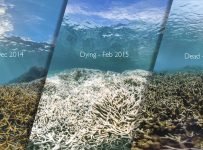
    Coral reefs around the world are dying

    The Great Barrier Reef is at “elevated and imminent risk” of widespread coral bleaching again this year, according to the Great Barrier Reef Marine Park Authority. The authority told the Queensland Government in a briefing note that an “unusually warm winter and a second warm summer has resulted in more heat stress accumulating in more areas than at this time last year”. Though new research from the University of Sydney examining ancient reef core samples reveal the reef had once survived a sea level rise similar to that currently predicted, scientists warn extra threats such as human induced global warming, pesticide run-off, dredge spoils and ocean acidification could kill off the reef before it has time to recover.

    Alarming New Coral Bleaching Event Has Begun at the Great Barrier Reef 

    The Reef is the largest living thing on Earth. Easily visible from space, the 1,400-mile-long, 133,000-square-mile ecosystem is home to more than 1,500 species of fish and over 600 types of hard and soft corals. Portions of the reef have been dated as old as 20 million years. The world’s most qualified coral reef experts released a report showing that, without dramatic intervention, the Reef would disappear completely by 2030. “We’ve never seen bleaching like this,”

    http://www.truth-out.org/news/item/39569-alarming-new-coral-bleaching-event-has-begun-at-the-great-barrier-reef

    Australia’s Great Barrier Reef Will ‘Disappear’ in the next 15 years with No Intervention

    Report prepared for this month’s Earth Hour global climate change campaign, University of Queensland

    http://www.businessinsider.com.au/australias-great-barrier-reef-will-disappear-within-two-decades-with-no-intervention-2014-3?r=US&IR=T

  • Antarctic glacier threatens major sea-level rise

    Antarctic glacier threatens major sea-level rise

    THe Antarctic
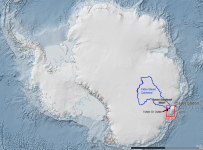
    Ice melting from the Antarctic continent contributes directly to sea level rise

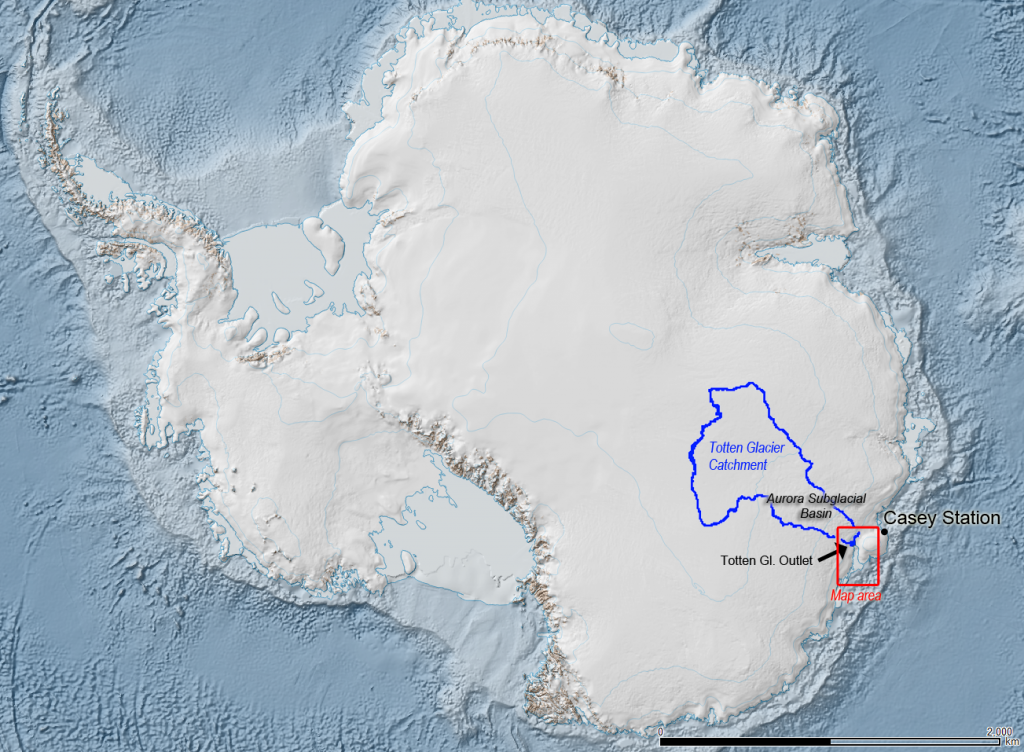
    The Huffington Post reported last week that research carried out in December indicates the Totten glacier in the Antarctic is melting faster than thought due to warm water trickling through the glacier and melting it from below. The Totten glacier is the biggest in east Antarctica. The glacier itself is around 120 kilometres long, 30 kilometres wide and drains some 538,000 square kilometres of the continent. That’s an area bigger than California. The ice is kilometres thick, but it’s melting at 70 metres a year in some spots.

    There’s a glacier in Antarctica so immense that would raise sea levels by 3.5 metres.
    The Totten glacier is the biggest in east Antarctica. The glacier itself is around 120 kilometres long, 30 kilometres wide and drains some 538,000 square kilometres of the continent. That’s an area bigger than California. The ice is kilometres thick, but it’s melting at 70 metres a year in some spots andwarmer water was melting the Totten ice from below.

    http://www.nzherald.co.nz/world/news/article.cfm?c_id=2&objectid=11799290

    https://en.wikipedia.org/wiki/Totten_Glacier