Category: News

Add your news
You can add news from your networks or groups through the website by becoming an author. Simply register as a member of the Generator, and then email Giovanni asking to become an author. He will then work with you to integrate your content into the site as effectively as possible.
Listen to the Generator News online

 
The Generator news service publishes articles on sustainable development, agriculture and energy as well as observations on current affairs. The news service is used on the weekly radio show, The Generator, as well as by a number of monthly and quarterly magazines. A podcast of the Generator news is also available.
As well as Giovanni’s articles it picks up the most pertinent articles from a range of other news services. You can publish the news feed on your website using RSS, free of charge.
 

  • Miner uses tax dollars to fund exploration

    Miner uses tax dollars to fund exploration

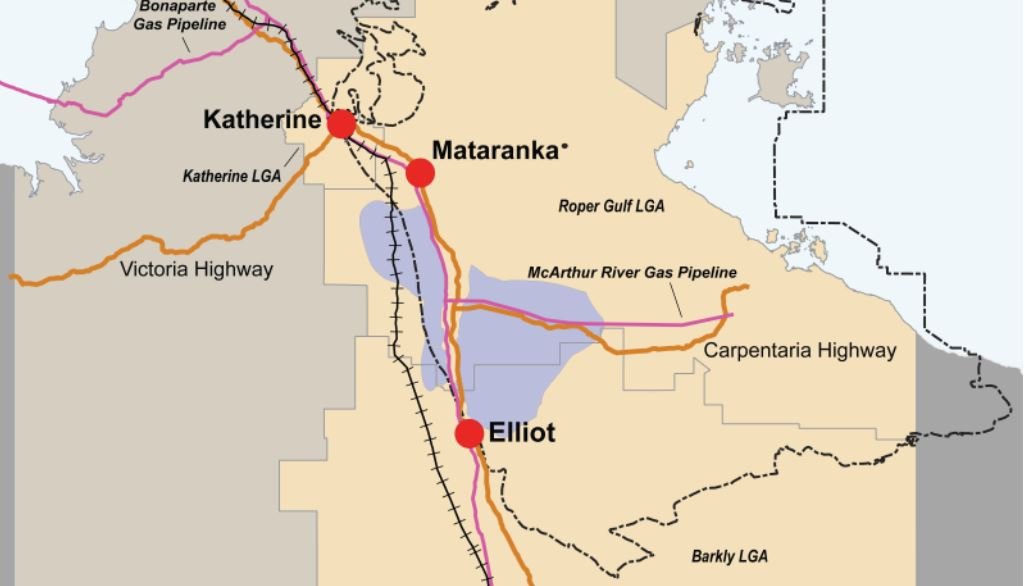
    The Beetaloo Basin covers a significant area of the Northern Territory

    The Guardian is reporting that the federal government gave a $5 million dollar tax incentive to a gas company exploring the Beetaloo Basin using a scheme that specifically prohibits “prospecting, exploring or drilling activities”.

    The money was awarded to Empire Energy through the commonwealth’s R&D tax incentive scheme, which is designed to encourage industry to conduct research and development that may not otherwise have been conducted.

    The scheme does allow for money to be given to companies that are drilling for the dominant purpose of research and development. However, Empire was given the money for its work at a specific well in the Beetaloo Basin, that the company describes as an “exploration well”

    Empire have stated that the drilling is for research and development and the government department in charge says that the scheme requirements are self-assessed by the recipient.

    Read the Guardian article

    The West Australian report

    Resource Minister cannot explain his actions

  • Witness K may have evidence of multi billion dollar mining theft

    Witness K may have evidence of multi billion dollar mining theft

    Speaking on ABC Radio last week, former head of the Department of Prime Minister’s legal section, Ian Cunliffe told Geraldine Doogue that both Australia and East Timor have been robbed of more than $3billion in revenue from the helium extracted in the Timor Sea.

    https://soundcloud.com/thegeneratornews/witness-k-and-helium
    Bernard Collaery (The Conversation)

    https://www.abc.net.au/radionational/programs/saturdayextra/east-timor,-collaery-and-witness-k/13384906

    That deal is the subject of international hearings into Australia’s bugging of East Timor offices during negotiations designed to give Australia a negotiating advantage. Cunliffe said that it has not been widely reported that the contract was changed, without the knowledge of either government, by persons unknown, to give the helium to the exploration companies Woodside and Conoco-Phillips.

    https://theconversation.com/why-bernard-collaerys-case-is-one-of-the-gravest-threats-to-freedom-of-expression-122463

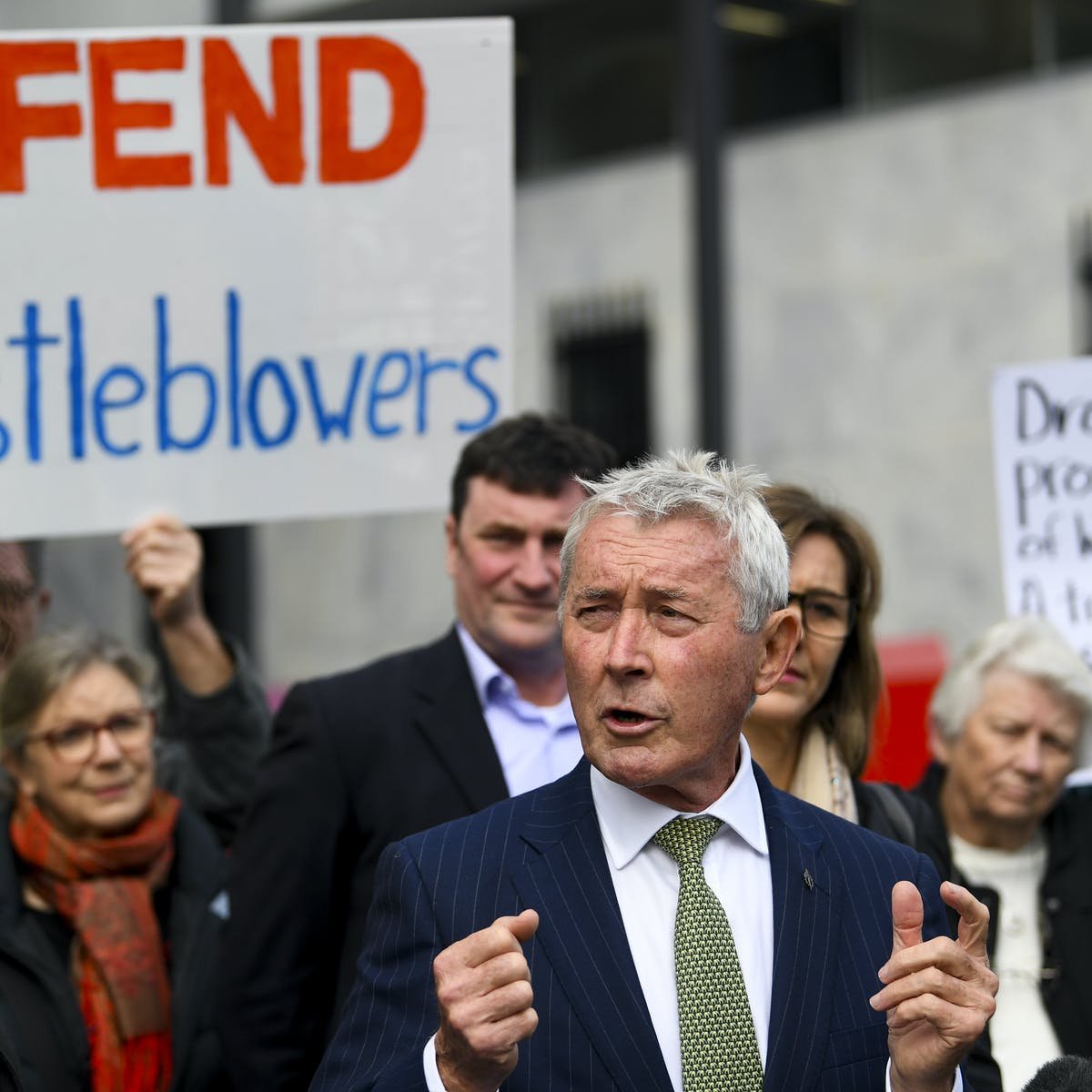
    Former ACT Attorney General, Bernard Collaery and witness K, who were taking the Australian Government to court in the Hague, are both being prosecuted under the Intelligence Services Act and legally prevented from releasing the evidence they have about the contract. Helium has been classed as a “fully imported critical defence commodity” since 1945.

    Bernard Collaery at a pro-whistleblower rally – The Conversation

    https://www.thesaturdaypaper.com.au/opinion/topic/2021/06/12/bernard-collaery-and-witness-k/162342000011856

    Cunliffe speculates that the unusual charges against Collaery and Witness K may be designed to protect those responsible for the changes to the contract that have cost the Australian taxpayer billions of dollars and weakened our national security.

    Post Script

    This story has echoes of the “granting” of WestPapua to Indonesia by the international community in 1969 What the Indonesian, Dutch and Australian governments did not know at the time the deal with Indonesia was set up was that the US government had allowed US oil companies the exclusive rights to the richest source of sweet crude oil in the region as well as the rights to the world’s largest gold mine.
    https://www.smh.com.au/politics/federal/oil-and-politics-prove-fatal-mix-for-the-people-of-west-papua-20091230-lju6.html

    So the death of over 600.000 Papuans at the hands of the Indonesian military with the silent complicity of the Australian government has been bought by billions of dollars going straight into the pockets of these mega-corporations.

  • United Nations News Centre

    By absorbing much of the added heat trapped by atmospheric greenhouse gases, the oceans are delaying some of the impacts of climate change. Photo: WMO/Olga Khoroshunova

    9 September 2014 – The United Nations weather agency today voiced concerns over the surge of carbon dioxide concentration in the atmosphere, which has reached a new record high in 2013, amid worrying sings that oceans and biosphere seem unable to soak up emissions as quickly as they used to.

    According to the World Meteorological Organization (WMO) latest annual Greenhouse Gas Bulletin, the greenhouse gases such as carbon dioxide (CO2), methane and nitrous oxide caused a 34 per cent increase in the global warming in the last 10 years.

    Ahead of a climate summit organized by Secretary-General Ban Ki-moon at UN Headquarters in New York set to take place on 23 September, the WMO urges the international community to take a concentrated action against accelerating and potentially devastating climate change.

    “The Greenhouse Gas Bulletin shows that, far from falling, the concentration of carbon dioxide in the atmosphere actually increased last year at the fastest rate for nearly 30 years. We must reverse this trend by cutting emissions of CO2 and other greenhouse gases across the board,” WMO Secretary-General Michel Jarraud said at a press conference in Geneva today.

    According to the report, in 2013, concentration of CO2 in the atmosphere was 142 per cent of the pre-industrial era (1750), and of methane and nitrous oxide 253 per cent and 121 per cent respectively.

    “We know without any doubt that our climate is changing and our weather is becoming more extreme due to human activities such as the burning of fossil fuels,” added Mr. Jarraud.

    The Bulletin, which focuses on the atmospheric concentrations of greenhouse gases and its impact on the climate, for the first time includes a section on ocean acidification prepared in collaboration with international partners.

    “The inclusion of a section on ocean acidification in this issue of [the Bulletin] is appropriate and needed. It is high time the ocean, as the primary driver of the planet’s climate and attenuator of climate change, becomes a central part of climate change discussions,” said Wendy Watson-Wright, Executive Secretary of the Intergovernmental Oceanographic Commission of UN Educational, Scientific and Cultural Organization.

    The preliminary data in the report indicates that dramatic increase in carbon dioxide levels was possibly related not only to the steadily increasing CO2 emissions but also to reduced CO2 uptake by the earth’s biosphere.

    While there is positive aspect in the fact that the ocean cushions one quarters of CO2 emissions that would otherwise occur in the atmosphere, experts warn about far-reaching repercussion of this process for marine organisms and biodiversity.

    “Carbon dioxide remains in the atmosphere for many hundreds of years and in the ocean for even longer. Past, present and future CO2 emissions will have a cumulative impact on both global warming and ocean acidification. The laws of physics are non-negotiable,” said WMO Chief.

    According to WMO analysis, due to the fastest ever rate of acceleration, the current level of ocean acidification appears unprecedented, at least over the last 300 million years.

    “If global warming is not a strong enough reason to cut CO2 emissions, ocean acidification should be, since its effects are already being felt and will increase for many decades to come. I echo WMO Secretary General Jarraud’s concern – we are running out of time,” said Ms. Watson-Wright.

    Stressing that the Greenhouse Gas Bulletin provides a scientific base for decision-making, the WMO Secretary-General has called for immediate international action to prevent further deterioration of the environmental situation.

    “We have the knowledge and we have the tools for action to try to keep temperature increases within 2°C to give our planet a chance and to give our children and grandchildren a future. Pleading ignorance can no longer be an excuse for not acting,” concluded Mr. Jarraud.
    News Tracker: past stories on this issue

    SAMOA: Stopping climate change is ‘about people, about survival,’ says UN envoy

    By absorbing much of the added heat trapped by atmospheric greenhouse gases, the oceans are delaying some of the impacts of climate change. Photo: WMO/Olga Khoroshunova

    9 September 2014 – The United Nations weather agency today voiced concerns over the surge of carbon dioxide concentration in the atmosphere, which has reached a new record high in 2013, amid worrying sings that oceans and biosphere seem unable to soak up emissions as quickly as they used to.

    According to the World Meteorological Organization (WMO) latest annual Greenhouse Gas Bulletin, the greenhouse gases such as carbon dioxide (CO2), methane and nitrous oxide caused a 34 per cent increase in the global warming in the last 10 years.

    Ahead of a climate summit organized by Secretary-General Ban Ki-moon at UN Headquarters in New York set to take place on 23 September, the WMO urges the international community to take a concentrated action against accelerating and potentially devastating climate change.

    “The Greenhouse Gas Bulletin shows that, far from falling, the concentration of carbon dioxide in the atmosphere actually increased last year at the fastest rate for nearly 30 years. We must reverse this trend by cutting emissions of CO2 and other greenhouse gases across the board,” WMO Secretary-General Michel Jarraud said at a press conference in Geneva today.

    According to the report, in 2013, concentration of CO2 in the atmosphere was 142 per cent of the pre-industrial era (1750), and of methane and nitrous oxide 253 per cent and 121 per cent respectively.

    “We know without any doubt that our climate is changing and our weather is becoming more extreme due to human activities such as the burning of fossil fuels,” added Mr. Jarraud.

    The Bulletin, which focuses on the atmospheric concentrations of greenhouse gases and its impact on the climate, for the first time includes a section on ocean acidification prepared in collaboration with international partners.

    “The inclusion of a section on ocean acidification in this issue of [the Bulletin] is appropriate and needed. It is high time the ocean, as the primary driver of the planet’s climate and attenuator of climate change, becomes a central part of climate change discussions,” said Wendy Watson-Wright, Executive Secretary of the Intergovernmental Oceanographic Commission of UN Educational, Scientific and Cultural Organization.

    The preliminary data in the report indicates that dramatic increase in carbon dioxide levels was possibly related not only to the steadily increasing CO2 emissions but also to reduced CO2 uptake by the earth’s biosphere.

    While there is positive aspect in the fact that the ocean cushions one quarters of CO2 emissions that would otherwise occur in the atmosphere, experts warn about far-reaching repercussion of this process for marine organisms and biodiversity.

    “Carbon dioxide remains in the atmosphere for many hundreds of years and in the ocean for even longer. Past, present and future CO2 emissions will have a cumulative impact on both global warming and ocean acidification. The laws of physics are non-negotiable,” said WMO Chief.

    According to WMO analysis, due to the fastest ever rate of acceleration, the current level of ocean acidification appears unprecedented, at least over the last 300 million years.

    “If global warming is not a strong enough reason to cut CO2 emissions, ocean acidification should be, since its effects are already being felt and will increase for many decades to come. I echo WMO Secretary General Jarraud’s concern – we are running out of time,” said Ms. Watson-Wright.

    Stressing that the Greenhouse Gas Bulletin provides a scientific base for decision-making, the WMO Secretary-General has called for immediate international action to prevent further deterioration of the environmental situation.

    “We have the knowledge and we have the tools for action to try to keep temperature increases within 2°C to give our planet a chance and to give our children and grandchildren a future. Pleading ignorance can no longer be an excuse for not acting,” concluded Mr. Jarraud.


    News Tracker: past stories on this issue

    SAMOA: Stopping climate change is ‘about people, about survival,’ says UN envoy

  • Long-term threat to Moreton Bay

    Long-term threat to Moreton Bay

    The RAMSAR listed wetlands of Moreton Bay are under threat from more developments than the proposed 3,600 home development at Toondah Harbour, according to media platform eFlux.

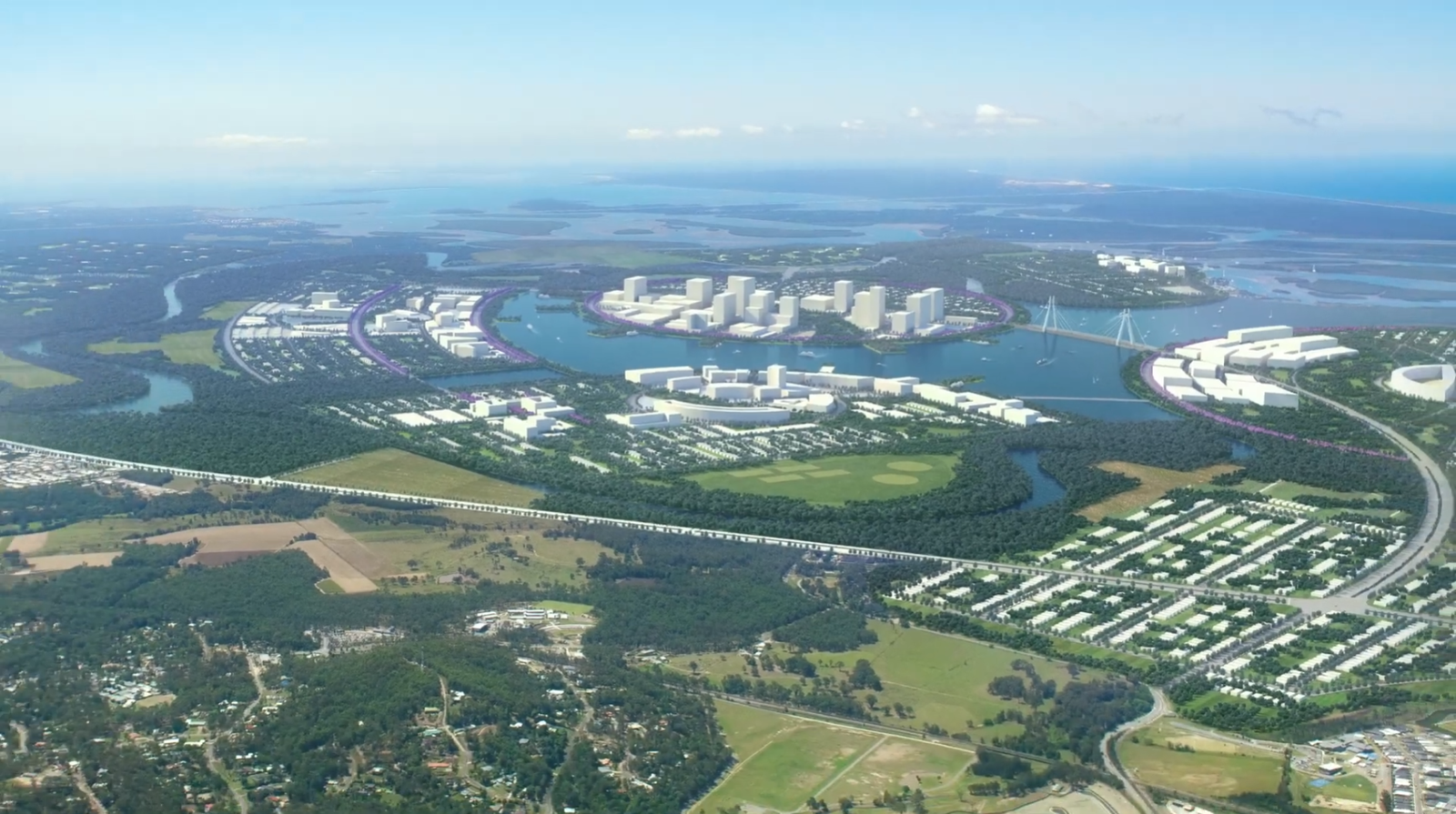
    Collier International’s vision of the future for Southern Moreton Bay

    Already approved developments include the $1billion 65,000 home Pacific-City at Norwell Valley and a new freeway, linking that city to the Gold Coast and Brisbane. So far there are no plans for public transport. Moreton Bay Council announced in February plans to more than double its economy in two decades by encouraging agribusiness, construction and tourism.

    The Bay is home to more than 50,000 waterbirds, including one percent of the world’s migratory species.

    The Southern Moreton Bay Islands 2030 Community Plan, now a decade old, does not mention the major development of infrastructure required for Pacific City and its proposed satellites.

    Moreton Bay Shire Council plans to expand the region’s economy from $17billion to $40billion by encouraging development in agribusiness, construction and tourism.

    You can hear that story in The Generator News for Wednesday May 26th

    The discussion of development on Moreton Bay on EcoRadio

    Or the 2020 interview about Toondah Harbour.

    Background information

    Link to eFlux story

    Real Estate Agent Ray White’s summary of the project

    Canegrowers form syndicate to sell land – 2016

    Moreton Bay Council’s plans for the North

  • Belize asks for Climate Fund money promised in 2015

    Belize asks for Climate Fund money promised in 2015

    The Minister of State in Belize, Christopher Coye, demanded climate compensation last week saying, “We should be compensated for suffering the excesses of others and supported in mitigating and adapting to climate change effects.”

    The Honorable Christoper Coye, Minister of State, Belize

    Belize is one of a number of developing countries suffering major effects of climate change while emitting minute amounts of greenhouse gases, and also struggling financially in the face of huge debts to the Global North, including China. The issue is on the agenda for November’s climate conference in Glasgow and will highlight the failure of wealthy nations to keep their 2015 promise to deliver US$100 billion per year to assist poor countries to build resilience and adaptation responses to the spiraling climate chaos. Australia formally withdrew in 2019 from the Green Climate Fund set up to deliver the promised money.

    Sources

  • UK Architects want buildings to last

    The Architect’s Climate Action Network in the UK has called for legislation to regulate embodied emissions of new buildings using ‘whole life-cycle assessment’. The network writes that “Being ‘green’ when occupied is poor compensation for construction using masses of concrete, steel and glass.” About 70% of the total emissions of a modern buildings comes from the concrete, steel and other building materials. The architects network points out that vast emission savings are available through simply legislating to encourage reuse of existing buildings and design for longevity. Most modern buildings are designed to last for only 25 to 50 years.

    Sources:

    In his weekly environment roundup on Pearls and Irritations on May 9th, Peter Sainsbury wrote, “A couple of months ago I highlighted the carbon emissions associated with the materials needed to keep high-rise buildings standing – turned out that over their entire life-cycle, four-storey courtyard buildings are the most energy efficient and environmentally sustainable form of housing. So claims of ‘carbon neutrality’ for skyscrapers that are covered in green walls, have triple glazed windows and use 100% renewable energy need to be viewed with some scepticism. Being ‘green’ when occupied is poor compensation for construction that involved masses of concrete, steel and glass, all of which contain lots of ‘embodied carbon emissions’ – the emissions associated with the extraction, manufacture, transport, installation, maintenance, demolition and disposal of materials. Over the life-cycles of today’s typical offices, warehouses and homes, the embodied emissions constitute around 70% of total emissions.

    “Most building regulations ignore the embodied carbon and yet significant carbon reductions can be made relatively cheaply by following five simple strategies:

    • Build less: reuse existing buildings
    • Build smart: use low carbon materials
    • Build efficiently: use fewer resources and waste less
    • Build circular: design for reuse and recycle
    • Build durable: design for longevity.

    “The UK’s Architects Climate Action Network is calling for legislation to regulate embodied emissions including requirements to assess, report and reduce embodied carbon using ‘whole life-cycle assessment’; limits on embodied carbon limits in building materials and building types; and Environmental Product Declarations to be made freely available on a national product database. For nations and companies that are serious about tackling climate change, the time for smoke and mirrors is long past. It’s no use a building being carbon neutral in its daily operations if its construction involved materials containing lots of embodied carbon. Commissioners, designers, builders and occupiers of buildings need to lift their game.”