Category: General news

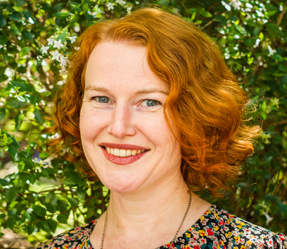
Managing director of Ebono Institute and major sponsor of The Generator, Geoff Ebbs, is running against Kevin Rudd in the seat of Griffith at the next Federal election. By the expression on their faces in this candid shot it looks like a pretty dull campaign. Read on

  • We have just hours to stop this Bill AMNESTY INTERNATIONAL

    k here to enable desktop notifications for Gmail.   Learn more  Hide
    More

    1 of 48
    Web Clip

    We have just hours to stop this Bill

    Inbox
    x

    Julian, Amnesty International Australia <actioncentre@amnesty.org.au>

    4:26 PM (27 minutes ago)

    to me
    A Bill being debated in WA right now would see even more Indigenous kids locked up behind bars.
    Tell WA Premier Colin Barnett to scrap the Bill and get smarter on young people in detention.

    Dear Neville,

    As you read this our politicians are pushing through a disastrous new law, one that will steal the futures of our Indigenous kids.
    Right now the ‘Home Burglary Bill’ is being debated in Western Australia’s Parliament, despite overwhelming evidence that it won’t actually reduce burglaries. [1]
    What it definitely will do is send more young people to prison, thanks to expanded mandatory sentencing laws for 16 and 17-year-olds.
    The situation is most dire for Indigenous kids. WA already locks up Indigenous kids at a higher rate than anywhere else in Australia.
    If you’re an Indigenous kid in WA, you’re 58 times more likely to be in detention than your non-Indigenous peers.
    If the Bill passes, three ‘strikes’ for burglary and you’re in prison, even if you’ve never been to court before. Gone will be the option to send kids to diversion programs or use community-based orders focused on rehabilitation. Judges will have no other choice but to lock up even more young people — a breach of the UN Convention on the Rights of the Child.
    We have just hours to stop this Bill getting through.  It was debated in Parliament on Tuesday night and again on Wednesday. It is about to pass WA’s lower house.
    If it passes, this Bill will cost Western Australian taxpayers $43 million by the fourth year, and another $93 million if another detention facility is needed.
    It’s labelling kids as unreformable criminals before they’ve even reached adulthood, and giving them no path in life except towards a prison cell.
    If we don’t act now, this Bill could be law by the end of the month.
    Premier Barnett has previously made a “personal commitment” to reduce the number of Indigenous people in the state’s jail system, and deaths in custody. [2]

    If enough of us call this Bill out, he’ll have no choice but to scrap it or risk reneging on his commitment.

    For the future,
    Julian Cleary
    Indigenous Rights Campaigner
    Amnesty International Australia
    PS. It doesn’t take a criminologist to see that cutting out the options for diversion programs and rehabilitation is likely to increase crime. Tell the Premier to get smarter about justice now.
    References:
    [1] Mandatory Sentencing in Western Australia & the Impact on Aboriginal Youth. Neil Morgan, Harry Blagg (UWA Crime Research Centre) & Victoria Williams (ALS).
  • Richard Denniss on the age old politics of fear The Australia Institute

    Click here to enable desktop notifications for Gmail.   Learn more  Hide

    . The Australia Institutwe

    More

    1 of 11
    Web Clip
    ESPN.comFins make Suh top-paid NFL defensive player3 hours ago

    Richard Denniss on the age old politics of fear

    Inbox
    x

    The Australia Institute <mail@tai.org.au> Unsubscribe

    3:24 PM (19 minutes ago)

    to me
    The Australia Institute

    Dear Neville —

    Are you scared yet?

    The Treasurer is telling us we can’t afford to grow old, the Prime Minister now speaks in front of more flags than you can poke a massive intrusion on our privacy at, and Barnaby Joyce is telling us without coal we’ll go broke.

    Don’t Panic. In Between the Lines below you can listen to Richard Denniss break down the strategies of the ‘Punishers’ of Australian politics and read about the real issues we face as a society and economy, right now, and probably for the next 40 years – but who can predict the future anyway?

    TAI response to the Intergenerational Report

    The Intergenerational Report (IGR) is a deeply flawed document based on deeply flawed assumptions. The modelling includes a plan to reduce the tax paid by wealthy Australians for the next 40 years, causing a shortfall for health and aged care in the future. If you read closely, this is all spelt out in the IGR, and, perhaps surprisingly, it all revolves around the indexation.

    The IGR should provide an opportunity to start a conversation about the Australia we want to have in the coming decades, instead it simply tries to scare the public into accepting the government’s short term policy agenda. While the report tries to scare Australians about the costs of ageing, it barely talks about the threats of climate change or the enormous cost of building the new infrastructure that rapid population growth will require.

    Tax concessions for superannuation are now among the fastest growing expenses in the budget, but the Treasurer chose to focus on the rising cost of spending on health. Joe Hockey said Australians would ‘fall off their chairs’ when the IGR was released. He failed to add that we might find ourselves rolling around on the floor laughing.

    The Australia Institute’s Executive Director was in the ‘lock-up’ for the release of the report, and was interviewed immediately afterwards on Radio National and had an article on the report published by Crikey: Hockey’s IGR meaningless forecasts based on magical thinking.

    Street Harassment – Australia Institute report reveals shocking results

    Do you hold your keys like a weapon, cross the street to avoid strangers at night or pretend to talk on your phone to avoid appearing alone or vulnerable? New research released this week by The Australia Institute shows such actions are a common part of many women’s lives.

    Women are feeling unsafe in our community and are taking proactive actions to keep themselves safe. Nearly 9 in 10 women have changed their behaviour in the last year to ensure their personal safety. For example, six in ten women have avoided walking alone at night while 45 per cent have not exercised alone after dark.

    Street harassment against women is a major contributor to women feeling unsafe in their neighbourhood, and in Australia it’s all too common with nearly nine in ten women experiencing it in their lifetime. Shockingly this begins at a very young age, with more than half of women experiencing harassment before they are 18 and a third experiencing it before they turn 15. The research also shows that women are targeted when they are alone, and harassment is coming overwhelmingly from men.

    Harassment encompasses a range of actions from acts of sexism such as honking and wolf whistling to threatening physical behaviour such as being followed or having your path blocked. More than seventy per cent of women have experienced honking, wolf whistling and excessive staring while many women have also been subjected to a form of harassment that could constitute indecent assault. For instance a third of people have been kissed without their consent while a quarter have been threatened after rejecting the sexual advances of a stranger.

    Everyone should have the right to feel safe in their own community, but for many women this is clearly not the case. Many women suffer harassment when they are going about their daily lives. We need to recognize the prevalence and seriousness of harassment and act towards helping women feel safe on our streets in our communities.

    The report – available here – has created a great deal of interest, sparking a number of articles and discussions. The Australia Institute is now looking to do research into Australian men’s attitudes towards street harassment.

    2015 Manning Clark Lecture delivered by Dr Richard Denniss

    Is it possible to plan 100 years into the future? What are enlargers and punishers and what influence have they had on Australia’s past, present and possible futures? Executive Director of the Australia Institute, Dr Richard Denniss delivered the 2015 Manning Clark Lecture on the 3rd of March in Canberra and asked: “What can economists learn from one of this country’s most influential historians?”

    Drawing on Manning Clark’s description of ‘Enlargers’ and ‘Punishers’, Dr Denniss looks at the obsession with GDP, the Intergenerational Report, and that greatest of political tricks: getting people to vote against their own interests.

    Big Ideas on the ABC’s Radio National were on hand to record the event, and the lecture can be listened to online – here. Since airing on the ABC, host Paul Barclay has publically remarked at the incredible interest created on the Big Ideas website. Thanks go to Manning Clark House for hosting the event, and for inviting Dr Denniss to deliver this years address.

    Thousands Rally for Water not Coal
    Waternotcoalrally.jpg

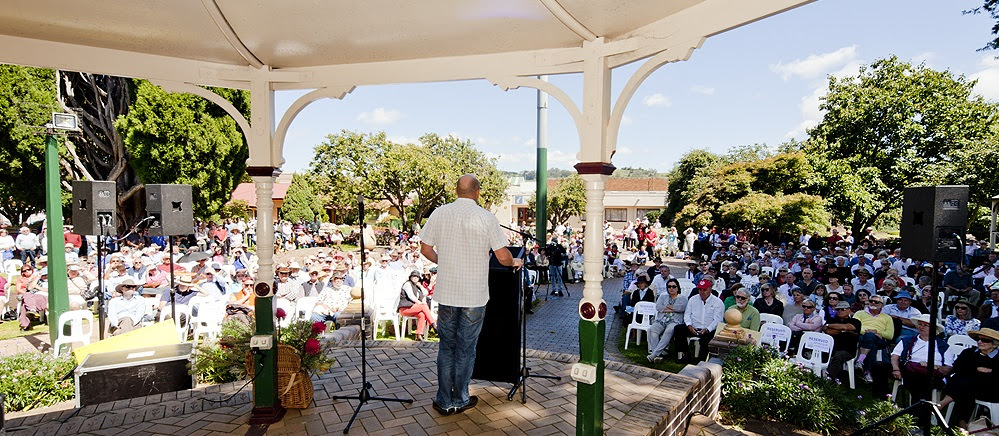
    On Saturday, 7th March, Richard Denniss joined Alan Jones and Peter Martin in speaking at a rally of more than 1200 people at Bowral, NSW. The crowd were gathered to show their concern over consequences of coal mining operations proposed in the Southern Highlands.The Southern Highlands Coal Action Group organised the ‘Water not Coal’ rally which called for definitive answers from both Hume Coal and the NSW Government. Hume Coal is a mining company which has been exploring the possibility of mining in the Highlands.

    Richard again attacked the dodgy modelling and warned of false job number claims often made to justify resources projects:

    “They tell us that mining creates jobs, and miners spend money in the local community. Is that compared to nurses, who flush their money down the toilet or teachers, who bury their money in the backyard?” he said.

    Event organiser, Peter Martin said:

    “We’re not an isolated group of extremists or hobby farmers who are against this, we’re a whole group of people – younger people, older people, Greens, Labor and Liberals. The fact that there’s more than 1000 people here today makes a mockery of the claims that it’s just a handful of people with concerns.”

    2GB Presenter, Alan Jones, described the expanding coal industry a “vandalistic movement.”

    TAI in the media

    7.30 ABC – Superannuation tax perks under attack as Treasurer suggests Super home help

    Southern Highland News – Concerns about coal

    RN Breakfast with Fran Kelly – Preview of the Intergenerational Report

    SBS The Feed – Street harassment in Australia: how common is it?

    The Drum – McClure Report on Welfare Overhaul

    Australian Financial Review – Austerity is not the only choice

     

    Weekly updates from TAI

    We aim to keep you updated every week. Every fortnight we send out the Between The Lines which provides an overview of our research and topical issues. On alternate weeks we send out a newsletter based on our work in equity and mining. If you would like to receive those, click here, choose your newsletter, and we’ll make sure they land in your inbox.

  • Lifestyle choice? AVAAZ

    2 of 48
    Web Clip

    Lifestyle choice?

    Inbox
    x

    Emily Mulligan – Avaaz

    9:23 AM (4 minutes ago)

    to me

    Remote Aboriginal communities will be shut down, leaving people with nowhere to go. It’s part of wide spread cuts to services that will harm the most vulnerable. The government has backed down before, let’s use this moment to keep the issue in the spotlight and stop the cuts:

    SIGN THE PETITION
    Dear friends across Australia,

    The government wants to shut down 150 remote communities and is cutting frontline services for Aboriginal people. Some of the most vulnerable people in Australia could be left without water and electricity, without a safety net and without basic services — unless we act now.

    The government has been forced to back track on its most controversial policy ideas, like the medicare co-payment, due to sustained public pressure. Prime Minister Abbott has thrust this issue in the spotlight with his insensitive comment saying living in remote communities is a lifestyle choice! Let’s use this moment to scrap the cuts.

    Sign the petition now to stop the cuts to Aboriginal communities. When we reach 50,000 signatures, Avaaz will deliver the campaign to parliament together with indigenous elders from affected communities to bring the true stories of these cuts direct to decision makers:

    https://secure.avaaz.org/en/stop_the_shut_down_loc/?bhPqncb&v=55116

    Dear friends across Australia,

    The government wants to shut down 150 remote communities and is cutting frontline services for Aboriginal people. Some of the most vulnerable people in Australia could be left without water and electricity, without a safety net and without basic services — unless we act now.

    The government has been forced to back track on its most controversial policy ideas, like the medicare co-payment, due to sustained public pressure. Prime Minister Abbott has thrust this issue in the spotlight with his insensitive comment saying living in remote communities is a lifestyle choice! Let’s use this moment to scrap the cuts.

    Sign the petition now to stop the cuts to Aboriginal communities. When we reach 50,000 signatures, Avaaz will deliver the campaign to parliament together with indigenous elders from affected communities to bring the true stories of these cuts direct to decision makers:

    https://secure.avaaz.org/en/stop_the_shut_down_loc/?bhPqncb&v=55116

    Already, the National Aboriginal and Torres Strait Islander Legal Service has announced that it will have to shut its doors in June due to losing it’s funding. It is a story echoed in services for Aboriginal people all over the country as the Indigenous Advancement Strategy (IAS), which promised not to cut to frontline services, released it’s list of grant recipients and reneged on that promise.

    Prime Minister Abbott has fanned the flames by saying that living on ancestral lands, which are inherently connected to Aboriginal people’s culture is simply a “lifestyle choice.” The WA Premier Colin Barnett has admitted that taking away essential services will “cause great distress to the Aboriginal people who will move”.

    Already, women’s refuges and legal aid organisations are announcing that they will have to sack staff or close their doors due to funding cuts, even though the domestic violence rate is 23 times higher for indigenous women. We must take action, sign and share the petition now!

    https://secure.avaaz.org/en/stop_the_shut_down_loc/?bhPqncb&v=55116

    Together, Australian Avaaz members have defended our rights to a free internet, pushed for climate ambition and to protect Tassie’s forests. Now let’s come together to stand with the first peoples of our country, who never ceded sovereignty over this land.

    With hope,

    Emily, Nic, Oli, Ben, Jooyea and the entire Avaaz team

    More Information

    Premier Colin Barnett says remote WA communities face closure due to Commonwealth funding cuts (Perth Now)
    http://www.perthnow.com.au/news/western-australia/premier-colin-barnett-says-remote-wa-communities-f…

    Indigenous services plead with federal government to rethink cuts (The Guardian)
    http://www.theguardian.com/australia-news/2015/mar/10/indigenous-services-plead-with-federal-governm…

    Indigenous advisers slam Tony Abbott’s ‘hopeless, disrespectful’ description of living in remote communities as ‘lifestyle choice’ (ABC)
    http://www.abc.net.au/news/2015-03-11/abbott-defends-indigenous-communities-lifestyle-choice/6300218

  • Did you see today’s paper? Professor Hon Dame Marie Bashir

    Click here to enable desktop notifications for Gmail.   Learn more  Hide
    1 of 10
    Web Clip

    Did you see today’s paper?

    Inbox
    x

    Holly, Land Water Future <campaign@landwaterfuture.org.au>

    6:17 PM (23 minutes ago)

    to me
    - -

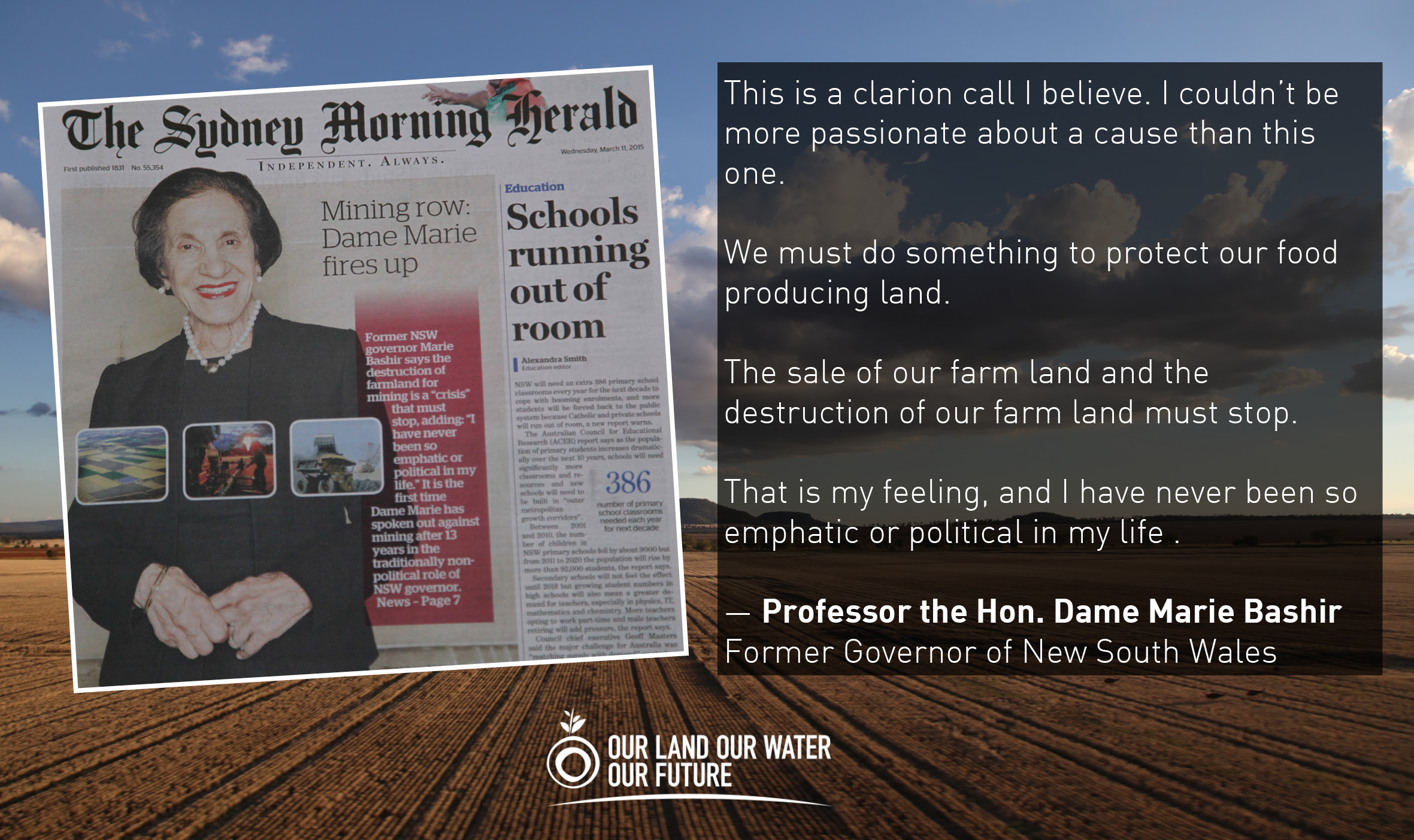
    “The sale of our farm land, and the destruction of our farm land, must stop,” Professor the Hon. Dame Marie Bashir, former Governor of NSW.

    Neville —

    We are less than three weeks from the state election and the destructive impact of coal mining is firmly on the agenda.

    Today the widely respected and much-loved former Governor of NSW, Professor the Hon. Dame Marie Bashir is on the cover of the Sydney Morning Herald making an impassioned plea that our farmland be protected from coal mining.

    We know Premier Mike Baird and his colleagues in the NSW Government listen when Dame Marie speaks, so the significance of this bold call cannot be overstated. Take a look:

    Marie Bashir

    Share on Facebook | Share on Twitter | Or forward this email to share

    You might like to watch Dame Marie’s full speech (it’s inspirational!), you can check it out here.

    This comes just a fortnight after leaked reports1 revealed that mining companies have prepared plans for as many as 16 new or expanded coal mines in the NSW Upper Hunter Valley. These are plans that our government knew about but kept secret from our communities.

    Mining companies often talk about rehabilitating land once mining is done but now the devastating truth has been revealed2: mining in the Hunter Valley could leave a legacy of more than 10,000 hectares of land consumed as ‘final voids’ (giant holes) and could cost $15 billion to clean up!

    Further north, the NSW government gave the green light to Chinese state-owned mining company Shenhua to put a massive new open-cut coal mine on the Liverpool Plains. But local farmers are fighting back.

    Never before have we seen open-cut coal mining on such a scale. The mines are getting bigger than ever before and closer to our homes, farm land, forests, and water catchments. But right around the state communities are standing up to say enough is enough.

    Let’s make sure as many people as possible hear our call to protect land and water. Share today’s news far and wide — on Facebook on Twitter or forward this email to your friends! 

    Now is the time for change,

    Holly and the Land Water Future team.

    PS: Does your MP know how you feel about coal and gas? Click here to send them an email today.


    1. Revealed: Major new coal mines planned for the Upper Hunter
    2. Hunter’s mining moonscape: 10,000 hectares of holes
    3. Hunter facing $15b legacy of coal mine voids: Lock the Gate
    4. NSW state election 2015: Marie Bashir lashes out at loss of farmland for mining
    _

  • BREAKING: Wetland dumping plan withdrawn! WWF AUSTRALIA

    1 of 14
    Web Clip

    BREAKING: Wetland dumping plan withdrawn!

    Inbox
    x

    Louise Matthiesson, WWF-Australia noreply@act.wwf.org.au via server8839.e-activist.com 

    5:26 PM (8 minutes ago)

    to me
    Under water coral, Great Barrier Reef  © Troy Mayne

    Dear NEVILLE,

    You’re going to love this email: you know the Caley Valley wetlands? That beautiful stretch of land that acts as the filter to our Great Barrier Reef?

    They look like this:

    They’re the wetlands you, and thousands of others campaigned to protect last year, when we all asked government not to let dredge spoil be dumped on them. In fact – 79,000 of us got together and said: “not on our watch”:

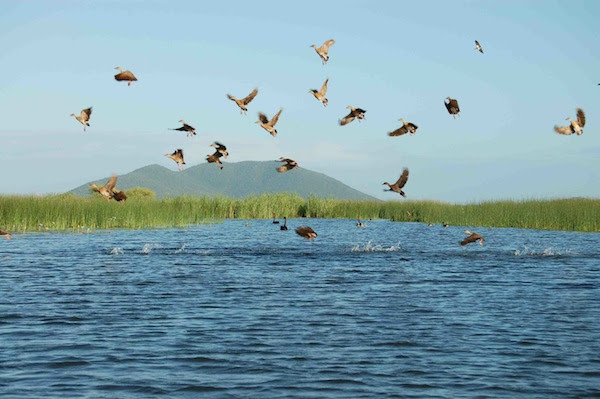
    You know the ones – home to the endangered painted snipe – and thousands of other plants and animals.  A spectacular but delicate habitat right alongside our Reef.

    Caleyvalleybirds.jpg

    Well guess what; we’ve just heard that today, thanks to the incredible efforts of you, NEVILLE and thousands of others, working together to demand action: the proposal to dump dredge spoil on the Caley Valley wetlands has been withdrawn!

    Click here to share this great news on facebook:

    This is a great first step in implementing the Queensland Government’s ‘Saving the Reef’ election policy.  Now, we can look forward to further action on other promises such as a ban on dumping of dredge spoil in the whole World Heritage Area.

    You can read the details of the Government’s announcement – including the new plan to dump the dredge spoil on land by clicking here.

    There’s still a long way to go.  The dredging operation itself will have serious impacts, like destroying seagrass beds, regardless of where the spoil is dumped.  That new plan will have to go through a thorough Environmental Impact process, and given the downturn in the coal industry, I think it’s time to genuinely review whether the port expansion is really necessary at all.

    But make no mistake: today is a day to celebrate. Thanks so much for being with us on this, it’s made a huge difference.

    Louise Matthiesson
    Great Barrier Reef Campaigner
    WWF-Australia

    P.S. If you want to read more about the decision you can see WWF’s press release here

  • Who’s got the goods for NSW solar? SOLAR CITIZENS

    1 of 48

    Who’s got the goods for NSW solar?

    Inbox
    x

    Claire, Solar Citizens

    12:13 PM (2 minutes ago)

    to me

    Dear NEVILLE —

    The New South Wales state election is fast approaching and both sides of politics are touting rooftop solar as the energy source of the future.

    Late last year NSW Environment Minister Rob Stokes said “When it comes to clean energy, [NSW] can be Australia’s answer to California,”* and just this week Opposition Leader Luke Foley said the electricity network of the future would feature consumers generating and storing their own power.**

    We couldn’t agree more. But before the people of NSW cast their votes on March 28 we need to see their policies in full, so we can lock in a strong solar future for our State. Can you use our easy tool to send a message to the two Party leaders, Mike Baird and Luke Foley, asking them for firm policy commitments on NSW solar?

    Last week we wrote to the leaders of each major party asking them where they stand on 6 key solar issues for NSW, the issues you’ve told us are important (read our questions in full here):

    1. No discriminatory solar fees
    2. A fair price for solar fed into the grid
    3. Reverse auctions to boost community and large-scale solar
    4. Trial solar storage
    5. A smarter NSW power grid
    6. Stand up for solar jobs and protect the Renewable Energy Target

    We’ve heard back from some parties but we need your help to get policy commitments from the two biggest players – the Government and the Opposition. Can you take 5 minutes to send a message to the party leaders asking them where they stand on these 6 key solar issues?

    Once we have policy commitments in writing we’ll send you our Election Scorecard, laying out the parties’ responses so you can make an informed choice on March 28th.

    In the recent Queensland election we put pressure on the major parties to respond to our policy asks and pushed the incoming Labor government to make positive solar announcements which we can now hold them to.

    But it only works if we all take action to remind the candidates just how important solar is to us and to the future of NSW can you send a message to the major party leaders using our easy tool?

    NSW has great solar potential but we need the incoming government to nail down plans for a sun-powered future. Together we can make that happen.

    Yours for a strong solar future,

    Claire O’Rourke, National Director

    Claire O'Rourke, National Director

    P.S. Elections are the time when politicians are most responsive to what the electorate wants. Can you ask the party leaders, Mike Baird and Luke Foley, to firm up their policy commitments on solar by sending a message using our easy tool?

    *http://www.smh.com.au/environment/renewable-energy-nsw-to-be-australias-answer-to-california-20140722-zvl60.html

    **http://www.theaustralian.com.au/national-affairs/state-politics/state-control-vital-to-shape-power-luke-foley/story-fnsgbndb-1227254088797

    Solar Citizens

    http://www.solarcitizens.org.au/