The Generator is founded on the simple premise that we should leave the world in better condition than we found it. The news items in this category outline the attempts people have made to do this. They are mainly concerned with our food supply and settlement patterns. The impact that the human race has on the planet.
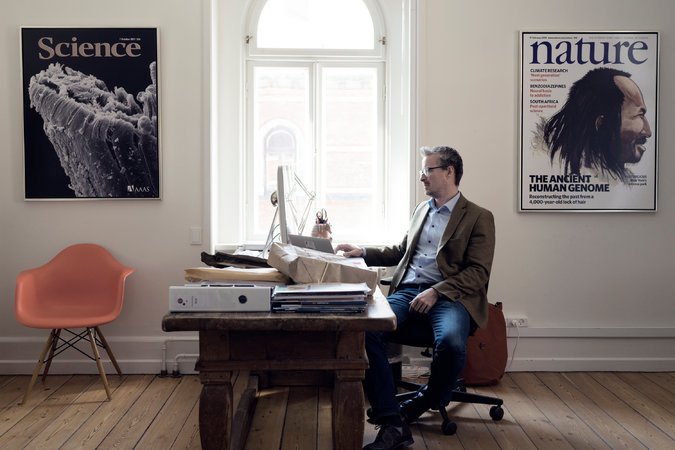
NY Times picture of Dr Willerslev at his Institute
DNA studies of First Nations people in Papua and Australia confirm mounting archeological evidence that the First Australians are the oldest civilisation on Earth.
One of four studies on human ancestry published in Nature this week, the study by Prof Eske Willerslev of the University of Copenhagen shows that these groups arrived on the continent about 50,000 years ago and remained almost entirely isolated until around 4,000 years ago.
“They are probably the oldest group in the world that you can link to one particular place,” said Willerslev.
The founder of Permaculture and advocate for sustainable cities and food systems, Bill Mollison died last Saturday. Permaculture is a system of growing food that requires minimum energy, water and fertilizer and works with nature
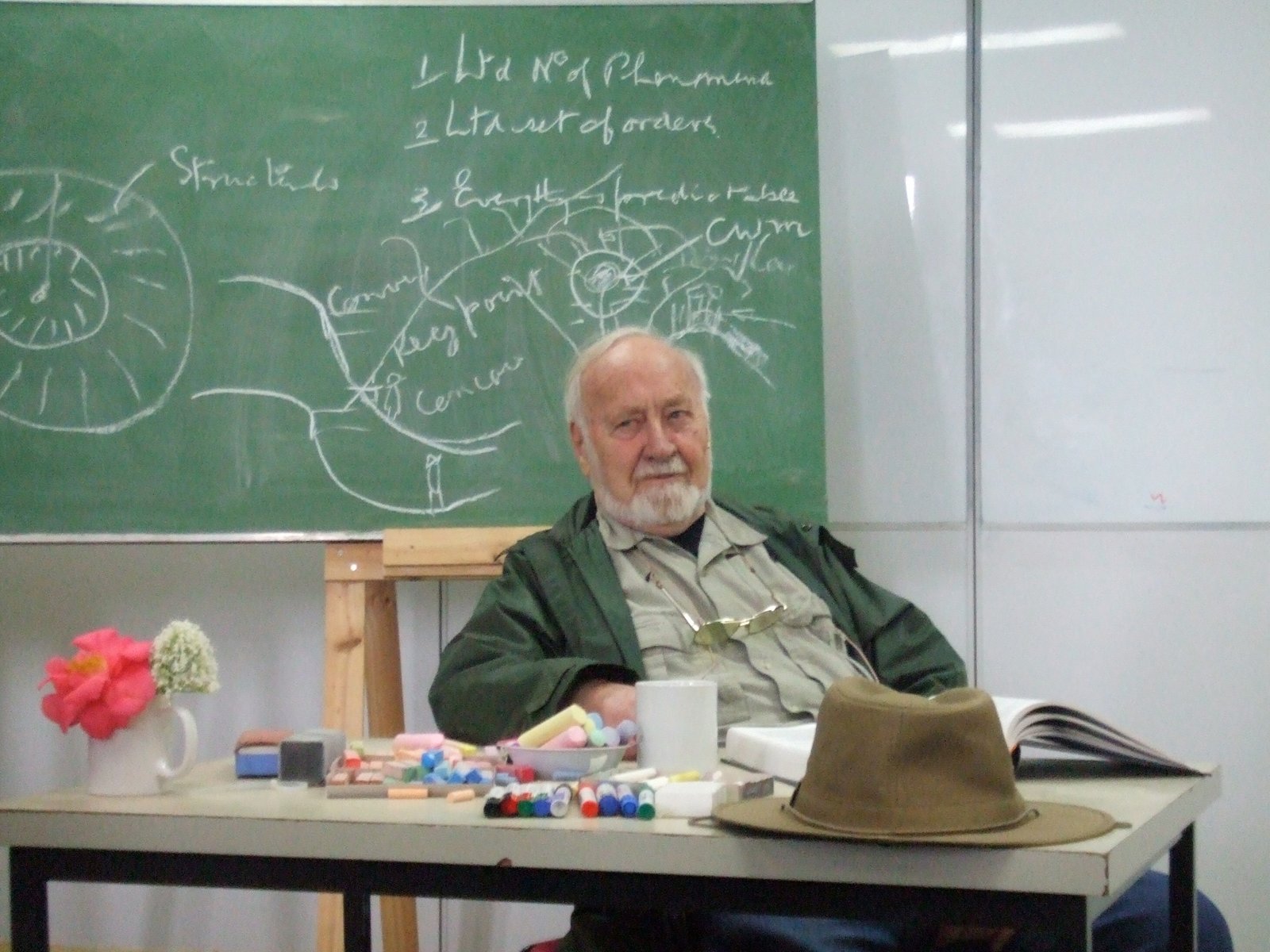
Founder of Permaculture, Bill Mollison, at his research institute in Tasmania
to reduce the ecological impact of feeding humans.
It has also been applied to greening the desert in places as diverse as the south-western prairies of the USA and the deserts of the Middle East.
Born in Tasmania, Bill Mollison founded the permaculture movement over forty years ago and has been instrumental in countering the industrial approach of corporate agribusiness.
From the official statement of the Permaculture Research Institute at the request of his widow Lisa Mollison
With deep sorrow, we wish to inform family and friends that Bruce Charles “Bill” Mollison, the “Father of Permaculture,” has passed away. He departed peacefully from this world in Hobart, Tasmania, just before 11 pm AEST, on the 24th of September, 2016.
After founding Permaculture Institute in 1978, he formalized the training of practitioners, which directly impacted hundreds of thousands of lives, and indirectly many millions more. For his service to humanity, he was honored with numerous awards, including the Right Livelihood Award in 1981. But of all the accolades he received, the one he was most proud of was the Vavilov Medal, in large part due to the tenacity, courage, and contributions of the award’s namesake, who Bill considered a personal hero. Bill was also the first foreigner invited and admitted to the Russian Academy of Agricultural Sciences.
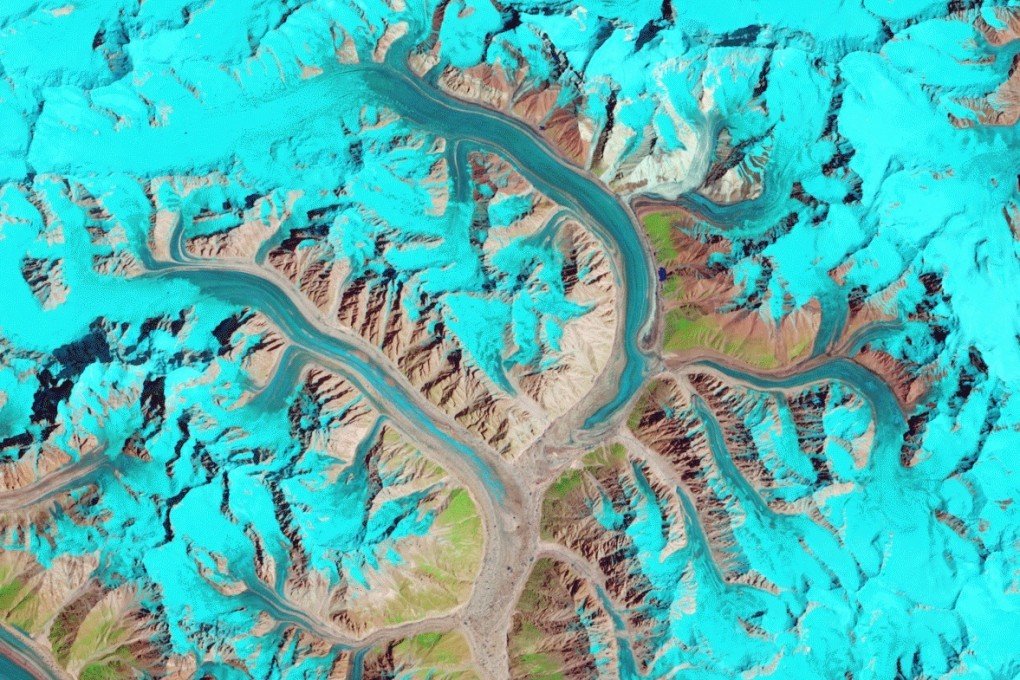
Glaciers in Central Asia are melting fast as temperatures rise at double the speed to those at sea level.
The rapid melting of glaciers in the so-called Third Pole located in the Himalayas and Central Asian mountains threatens the long term survival of billions of people across Central and Southern Asia.
The melting is due to a 1.5 degree increase in surface temperature and will increase flows in the Mekong, Yellow, Yangtse, Ganges and Indus rivers over the next decade after which it will begin to slow again. The area is known as the Third Pole because it contains as much frozen water as the North and South pole.
Glaciers on the Western side of the mountains appear to be unaffected to due increased precipitation being blown East from Europe.
Local herdsmen in Western China are already being re-located as climate refugees due to the changes in the landsape caused by the increased volume of water, warmer weather and lack of snowfall.
Crisis at the Third Pole
At the top of the world a climate disaster is unfolding that will impact the lives of more than 1 billion people. The real worry is the melt will set off a chain of climate disasters like the recent epic floods in Pakistan and China, or unprecedented heatwaves in India, or increasing desertification across the region. And the deeper concern is that while scientists know the changes in the Third Pole will affect global weather patterns such as monsoons and the El Nino, they don’t know by how much. And in a region where tension between countries over shared water resources is becoming increasingly common, the environmental threat is likely to spark a political one.
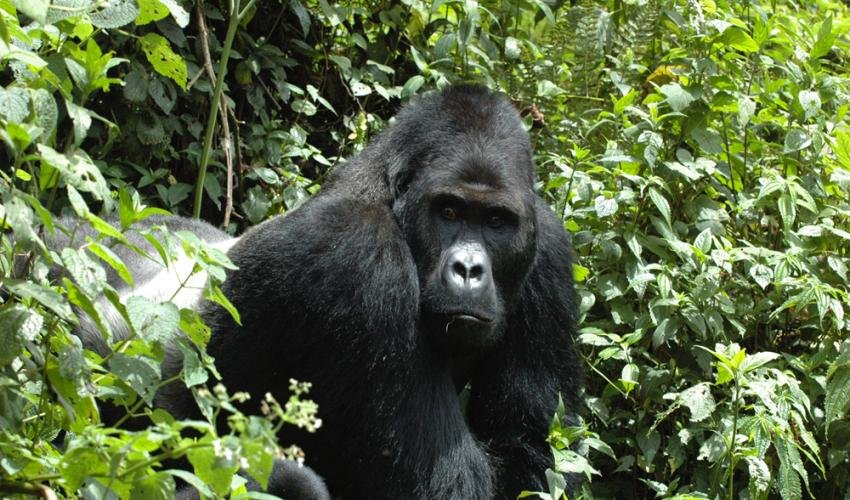
The Eastern Gorilla is one of four great apes added to the Critically Endangered list this week.
The world’s largest primate is now critically endangered due to illegal hunting. The Eastern Gorilla is the latest victim of a phenomena known as extinction investment where the market for endangered animals spikes in anticipation of their disappearance, thereby accelerating the process. Ironically, efforts by national governments to protect an endangered species, serve to heighten the value in this speculative market.
Great Apes Face Extinction
The Eastern Gorilla – the largest living primate – has been listed as Critically Endangered due to illegal hunting, as are four out of six great ape species – only one step away from going extinct – with the remaining two also under considerable threat of extinction. The Red List now includes 82,954 species of which 23,928 are threatened with extinction.
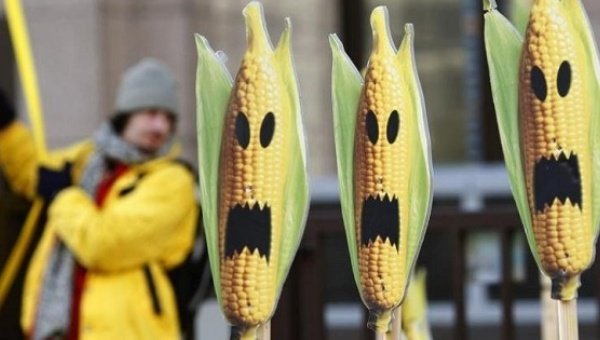
Monsanto’s aggressive use of seed patents to attack organic farmers has food growers and activists agitated
The proposed merger of German pharmaceutical manufacturer Bayer and American pesticide and seed corporation Monsanto has raised global concerns among activists concerned about monopoly power over food security and human health.
US Senators representing mid-western farmers have promised to scrutinize the deal which some financial commentators have said will fail, netting a windfall for Monsanto.
There is little overlap in the companies’ products and so it is unlikely to be stopped by anti-monopoly laws.
Bayer-Monsanto Merger Is ‘a Disaster for Global Food System
This is extremely bad news for farmers and consumers across the globe. “We already know that these agri-businesses use aggressive techniques to further their market share and increase profit margins and do not act in the best interests of small-scale farmers, public health or the environment.” The merger will create a company that will command more than a quarter of the combined world market for seeds and pesticides.
People aren’t thinking straight about Monsanto – Bloomberg
Critics who dislike Monsanto for its leading role in developing genetically modified organisms and agricultural chemicals shouldn’t also be citing monopoly concerns as a reason to oppose the merger — that combination of views doesn’t make sense. Let’s say for instance that the deal raised the price of GMOs due to monopoly power. Farmers would respond by using those seeds less, and presumably that should be welcome news to GMO opponents.
Bayer-Monsanto Merger Is ‘a Disaster for Global Food System
This is extremely bad news for farmers and consumers across the globe. “We already know that these agri-businesses use aggressive techniques to further their market share and increase profit margins and do not act in the best interests of small-scale farmers, public health or the environment.” The merger will create a company that will command more than a quarter of the combined world market for seeds and pesticides.
People aren’t thinking straight about Monsanto – Bloomberg
Critics who dislike Monsanto for its leading role in developing genetically modified organisms and agricultural chemicals shouldn’t also be citing monopoly concerns as a reason to oppose the merger — that combination of views doesn’t make sense. Let’s say for instance that the deal raised the price of GMOs due to monopoly power. Farmers would respond by using those seeds less, and presumably that should be welcome news to GMO opponents.
The Senate is taking a closer look at a proposed $66 billion merger of American seed and weed-killer company Monsanto and German medicine and farm chemical maker Bayer.
The deal combines two of the six U.S. and European companies that dominate the agrochemical market, and would create a global agricultural and chemical giant with a broad array of products. The Senate Judiciary Committee chairman, Republican Sen. Charles Grassley of Iowa, has said he’s concerned that the consolidation could hurt American farmers who are already worried about rising costs.
Two thirds of Africa’s forest elephants have been wiped out by poaching in the last decade. An estimated 100,000 elephants have been killed by poachers in that period. The population of elephants has fallen from around 20 million animals to less than one third of a million. At current rates there will be no elephants left by 2045. The illegal trade in wild animal parts is worth 23 billion dollars each year. At $60,000 a kilo rhino horn is a big part of this. Over 1,200 rhinoceri where killed in 2015. Dr David Bowman of the University of Tasmania has suggested releasing elephants and other megafauna into the Australian wild as one possible solution.
Bring elephants to Australia?
Dr David Bowman suggests that we could save megafauna and control feral plant pests at the same time.
Prior to European Colonization, scientists believe that Africa held as many as 20 million elephants; by 1979 only 1.3 million remained — and the current census reveals Africa’s elephant population has been devastated to 352,271 animals.
The illegal wildlife trade generates up to $23 billion annually and threatens Africa’s species with extinction. See the complete 2015 Wildlife Crime Infographic and more: